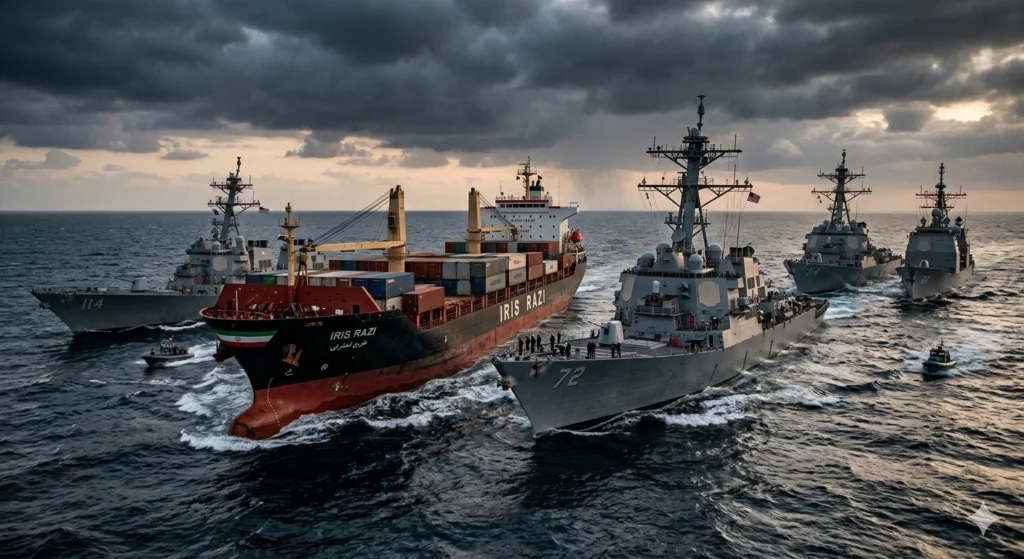

US Blockade of Iran Enters Day 2, On Tuesday, both Washington and Tehran signaled they were ready to return to talks, and diplomacy quickly ramped up. In the US, its blockade of Iranian ports kept going into a second full day. President Trump also said he personally received a call from Iranian officials, who told him they wanted to strike a deal.
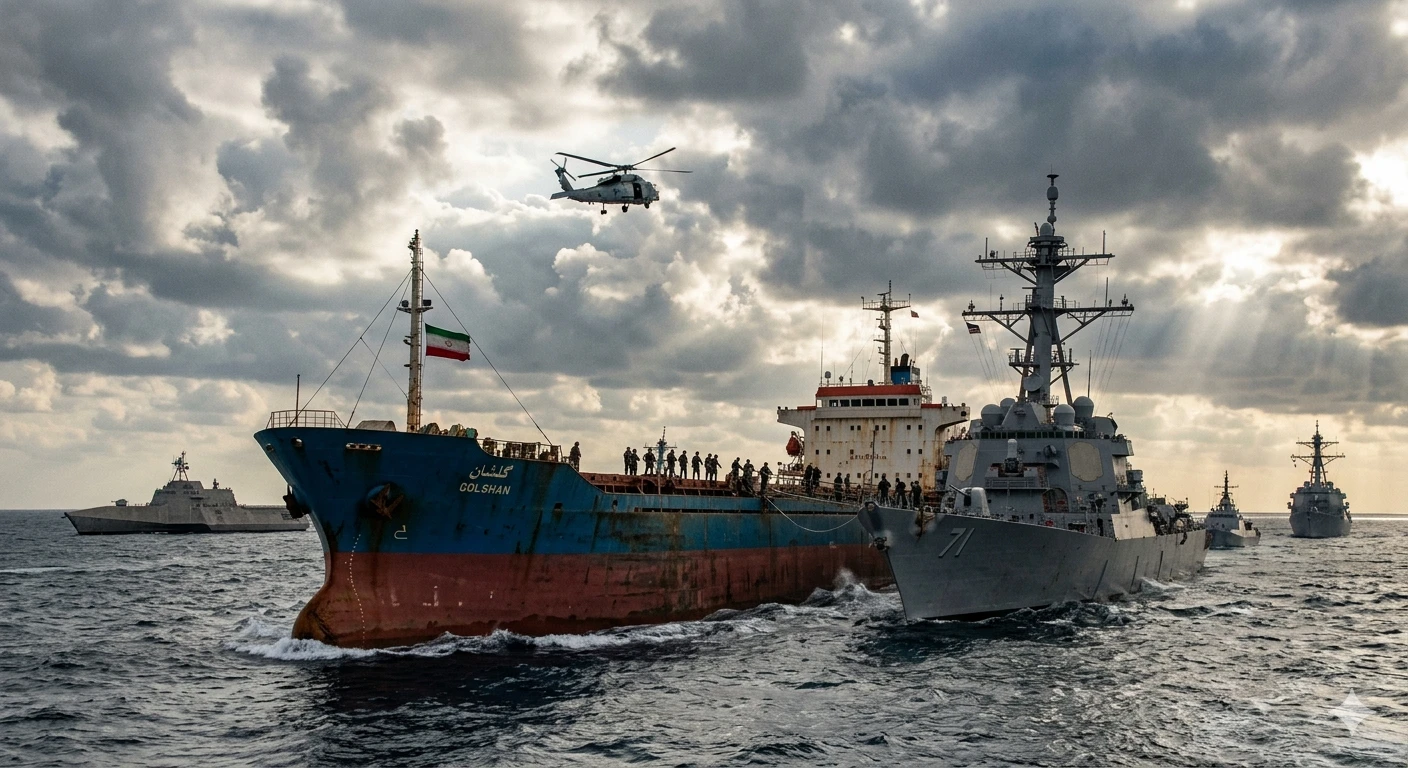
The US. Navy started the blockade at 10 a.m. ET Monday, April 13, after peace talks in Pakistan ended without agreement over the weekend. CENTCOM focused on every ship that came into or left Iranian ports, moving through the Arabian Gulf and the Gulf of Oman. But ships heading to ports outside Iran can still sail through the strait without restrictions.
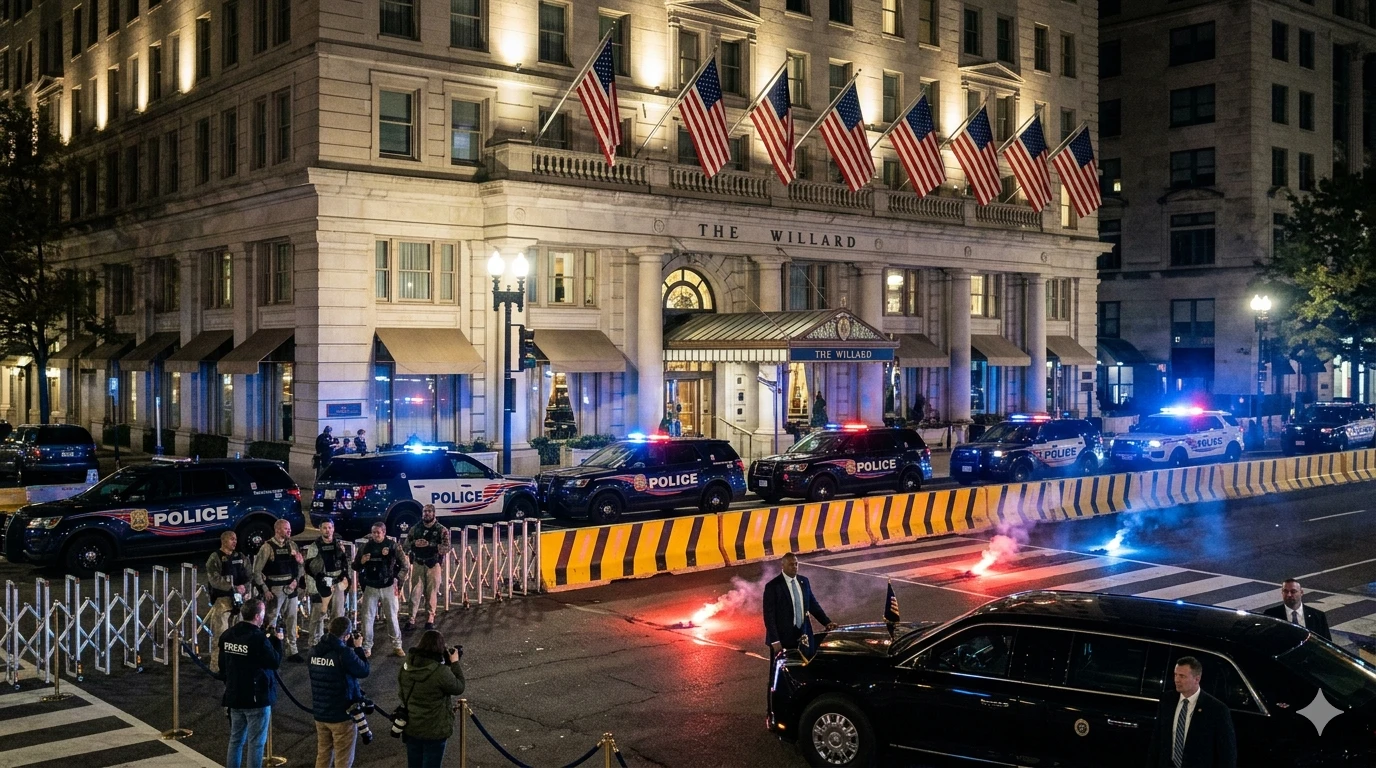
So, both sides have pulled away from the edge. US. officials are already talking among themselves about a possible second face-to-face meeting before the ceasefire ends on April 21, CNN was told. Officials are already checking the dates and locations. Reports on Tuesday said US. and Iranian teams will travel back to Islamabad for talks later this week.
Pakistan, where the first summit was held, stepped up its mediation right after talks fell apart. Pakistani officials started describing the talks as part of the ongoing “Islamabad process,” hinting at a wider diplomatic agenda. Turkey is working hard to close the divide between the two sides, regional sources told CNN.
The first Islamabad talks ran for 21 hours, April 11–12. VP JD Vance headed the US. delegation with special envoys Steve Witkoff and Jared Kushner. Iran’s delegation included Foreign Minister Abbas Araghchi and Parliament Speaker Mohammad Bagher Ghalibaf. They reportedly agreed on most parts of the 10-point ceasefire plan. Still, they missed two major issues: the Strait of Hormuz and Iran’s nuclear program.
After the talks fell apart, Vance said he had made his “best and final offer,” adding, “Let’s see whether Iran accepts it.” But Iran’s foreign minister, Araghchi, saw it very differently. On X, he said Iran acted in good faith, but when a deal looked near, it ran into hard-line demands, changing terms, and a blockade.
On Monday, Iran’s President Pezeshkian also contacted France’s President Macron. He blamed “excessive US. demands” for stopping the agreement. Still, he said Tehran is willing to hold talks, as long as they follow international law.
The nuclear problem is still the main obstacle. The New York Times said the US. wants to pause Iran’s nuclear work for 20 years. Iran replied with a five-year pause like the one proposed in February. Vance added that Iran needs to promise clearly it will not pursue nuclear weapons. Tehran still hasn’t done that.
At the same time, economic pressure grew fast everywhere. US. crude futures climbed over 2% Monday, edging toward $100 a barrel. On Tuesday, Brent crude fell to $98.6, and Deutsche Bank analysts said “growing hopes” could signal a possible deal. The International Energy Agency said Russia benefited from the disruption: its crude and oil exports climbed by 320,000 barrels each day in March.
China joined the diplomatic talks as well. Wang Yi, China’s foreign minister, said the blockade goes against the world’s shared interests and asked the international community to push harder for peace. France, too, acted on its own, as Macron said it would lead a “peaceful multinational mission” to protect free passage through the Strait of Hormuz.
But time is dangerously short. The ceasefire ends on April 22, only eight days away. Even so, both capitals are sending signals that neither wants the fighting to restart right away. So diplomacy still has a small opening, but it matters and can work.
“Sources: CNN, NPR, CNBC, Bloomberg, Al Jazeera, Rigzone, Council on Foreign Relations”
Recent News:
Trump Jesus-Like Image Posted After Criticize the Pope