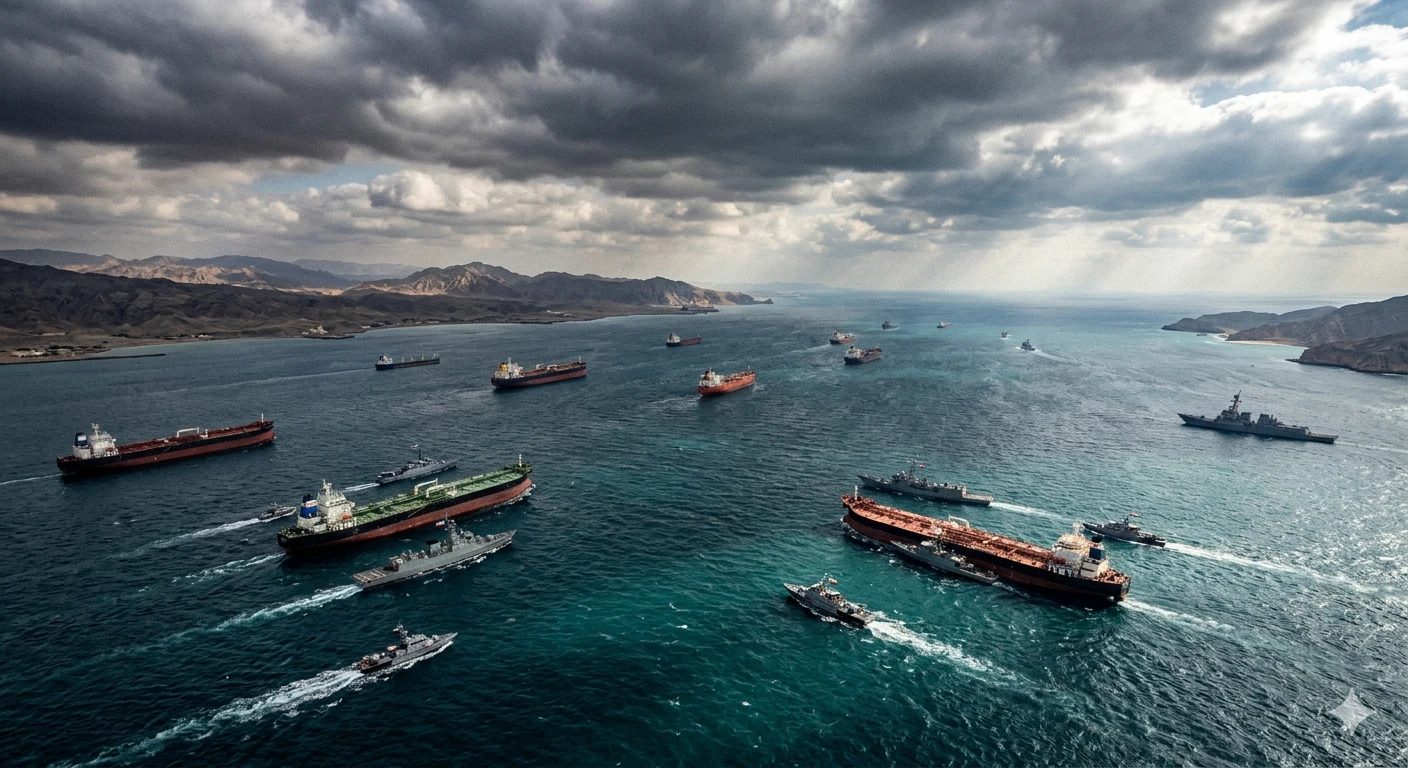
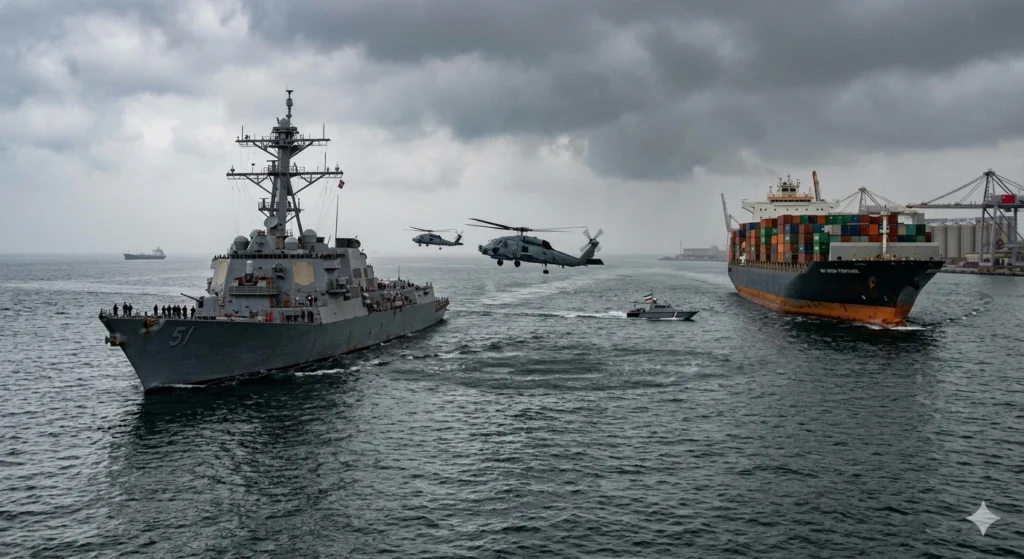

China Warns Trump, China hit back hard on Tuesday. Beijing’s Foreign Ministry called the US. naval blockade of Iranian ports “dangerous and irresponsible,” saying it came as American forces steered away ships near the Strait of Hormuz.
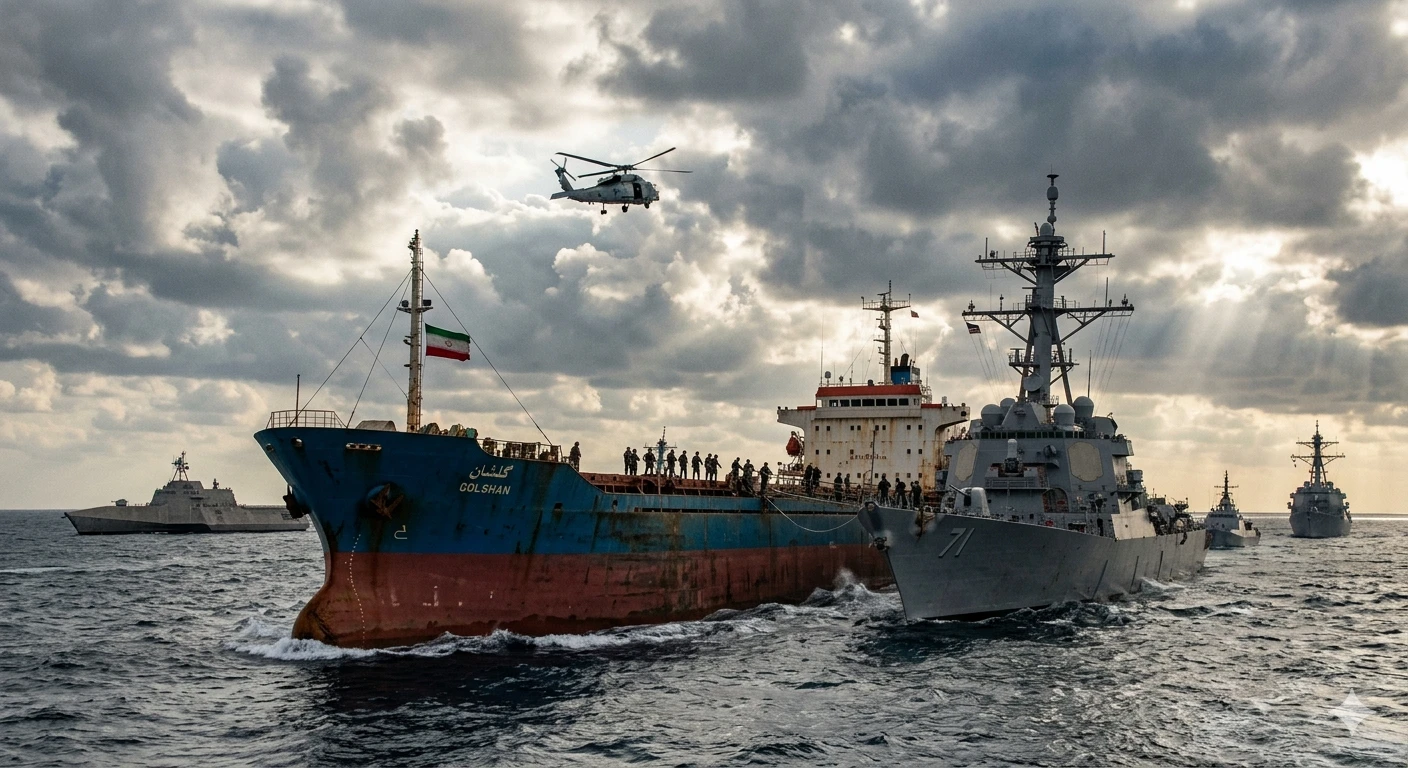
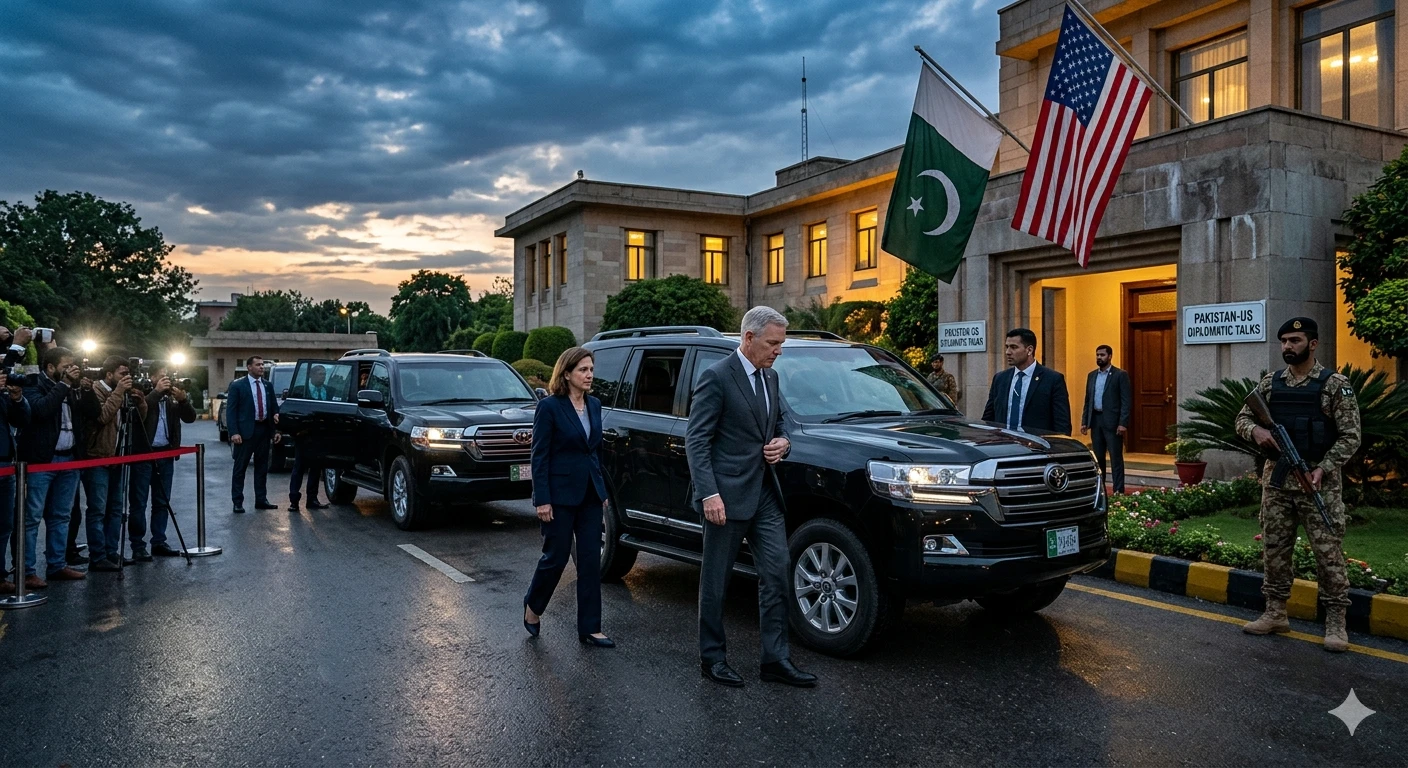
On Monday at 10:00 a.m. ET, the US. started stopping ships from leaving Iranian ports and entering them. After talks in Islamabad fell apart over the weekend, Washington moved to push Iran back to the negotiating table.
Guo Jiakun, China’s foreign ministry spokesman, directly challenged the move. He said the blockade would only deepen disagreements, make tensions worse, weaken the already shaky ceasefire, and put ships in the strait at greater risk. He also called it dangerous and irresponsible.
Meanwhile, Chinese President Xi Jinping made his biggest public comments yet about the conflict. He cautioned everyone not to slip back into the “law of the jungle.” After that, Beijing moved in its toughest way yet, since the US-Israel war started against Iran.
Why China Fears the Blockade
Over half of China’s energy travels through the Strait of Hormuz. It usually ships about one-fifth of the world’s oil and gas. So, long-lasting limits directly and harshly hurt China’s economy.
China is also the biggest buyer of Iranian crude oil. So the blockade blocks that supply right away, and the hit to China’s economy is long-lasting and widespread.
Still, analysts say China has spent years stockpiling oil. Economists say those reserves could keep the country going for over 100 days. China buys oil from several countries, but it leans a lot on its own coal, so a problem at one shipping choke point won’t derail it.
Ships Defy the Blockade
Even with Washington warning them, some ships went ahead. Two sanctioned US. tankers moved through the waterway. The tanker Murlikishan sailed for Iraq to pick up fuel oil, while the sanctioned ship Rich Starry became the first vessel to slip through the strait and leave the Gulf since the blockade started.
Analysts also doubted whether the blockade worked as claimed. A researcher at Fudan University in Beijing said that when a Chinese-owned vessel carrying Iranian oil, despite sanctions, passed through the strait without being stopped, it made the whole plan seem more targeted than the public announcement suggested.
The White House Pushes Back
The Trump administration refused to give up. A White House spokesperson said President Trump is doing what’s right by protecting the Strait of Hormuz, so all ships can travel safely to ports that aren’t in Iran and so Iran can’t keep shaking the world down. The spokesperson also added that Trump will never let Iran get a nuclear weapon.
Trump ordered the US. Navy to stop every ship that paid Iran an illegal fee to travel through.“No one who pays an illegal toll will have safe passage on the high seas,” he warned.
Escalation Risks Mount
Security experts are now openly concerned about a direct clash. Former NSA deputy director and retired US. Air Force Colonel Cedric Leighton said it was “very possible” a Chinese tanker could run into the US. Navy while being escorted. He warned that without careful handling, the meeting could spark a major escalation.
Saudi Arabia also spoke up, urging Trump to drop the blockade and get back to diplomacy. Riyadh said it was increasingly worried Iran might strike back against key shipping lanes across the region.
Global Economic Fallout
The crisis is already harming energy markets around the globe. The International Energy Agency reduced its global oil supply and demand forecasts significantly. In 2026, global oil use is expected to drop by 80,000 barrels a day, with the biggest declines hitting the Middle East and Asia-Pacific.
The Strait of Hormuz moves about 20 million barrels of oil every day and also handles roughly one-fifth of the world’s liquefied natural gas. So even a limited blockade can rattle global energy prices and disrupt trade.
Still, even with tensions growing, diplomats aren’t completely giving up. US. and Iranian delegates may soon head back to Pakistan for another round of peace talks, perhaps by the end of this week, but nothing has been officially scheduled yet.
The standoff puts Beijing in a tough spot: it must keep its economic ties with Tehran while also avoiding a direct military clash with Washington. Meanwhile, the world keeps a close eye on the Strait of Hormuz, because the next ship to pass could decide whether this crisis ends in talks, or turns into fighting.
“Sources: CNBC | NBC News | Fox News | Newsweek | Asia Times”
Recent News:
US Blockade of Iran Enters Day 2, Talks Urged