
March 26, 2026 | Space & Science Breaking Report
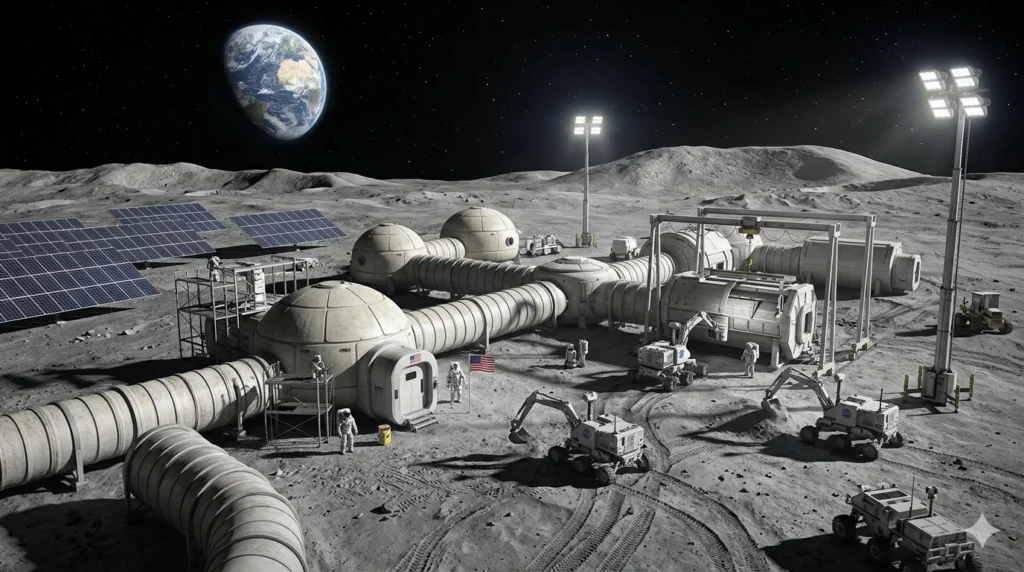
In one of the most sweeping announcements in modern space history, NASA has officially unveiled a bold $20 billion plan to construct a permanent human base on the Moon, scrapping its long-planned orbital space station in favor of boots-on-the-ground infrastructure that could reshape humanity’s future beyond Earth.
At NASA’s all-day “Ignition” event at agency headquarters in Washington, D.C., NASA Administrator Jared Isaacman declared the agency’s commitment to achieving the “near-impossible” returning humans to the Moon before the end of President Trump’s current term and building a permanent base there.
“The moon base will not appear overnight,” Isaacman said. “We will invest approximately $20 billion over the next 7 years and build it through dozens of missions, working together with commercial and international partners towards a deliberate and achievable plan.”
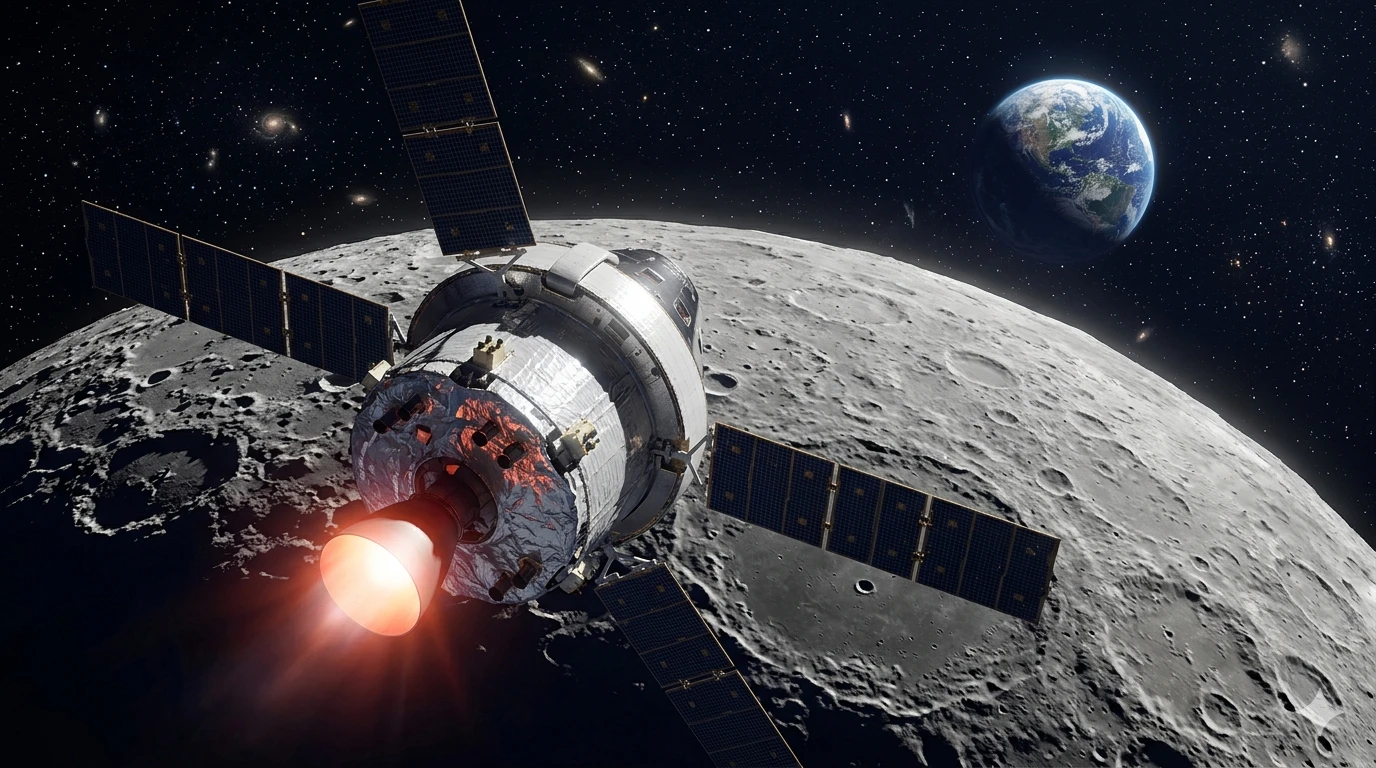
In a major strategic pivot, NASA is cancelling its plans to deploy a Gateway space station in lunar orbit and will instead repurpose its components to construct the surface base.
The rollout follows a three-phase approach: first, increasing lunar presence through more frequent missions; second, developing temporary surface infrastructure; and finally, building a permanent base with assets from international partners, including Canada, Italy, and Japan.
At the same event, Isaacman also unveiled plans to develop the “Space Reactor-1 Freedom,” the world’s first nuclear-powered interplanetary spacecraft, targeted for a Mars launch as early as 2028.
The sweeping changes come as the United States faces intensifying competition from China, which is aiming to land its own astronauts on the Moon by 2030.
The Planetary Society estimates that NASA will have spent approximately $107 billion in inflation-adjusted dollars on return-to-Moon plans through 2026. Foreign Policy makes Isaacman’s promise of efficiency and speed a defining test of the new NASA leadership.
“Sources: ABC News, Bloomberg, Al Jazeera, Live Science, Houston Public Media, NBC News, NASA.gov”