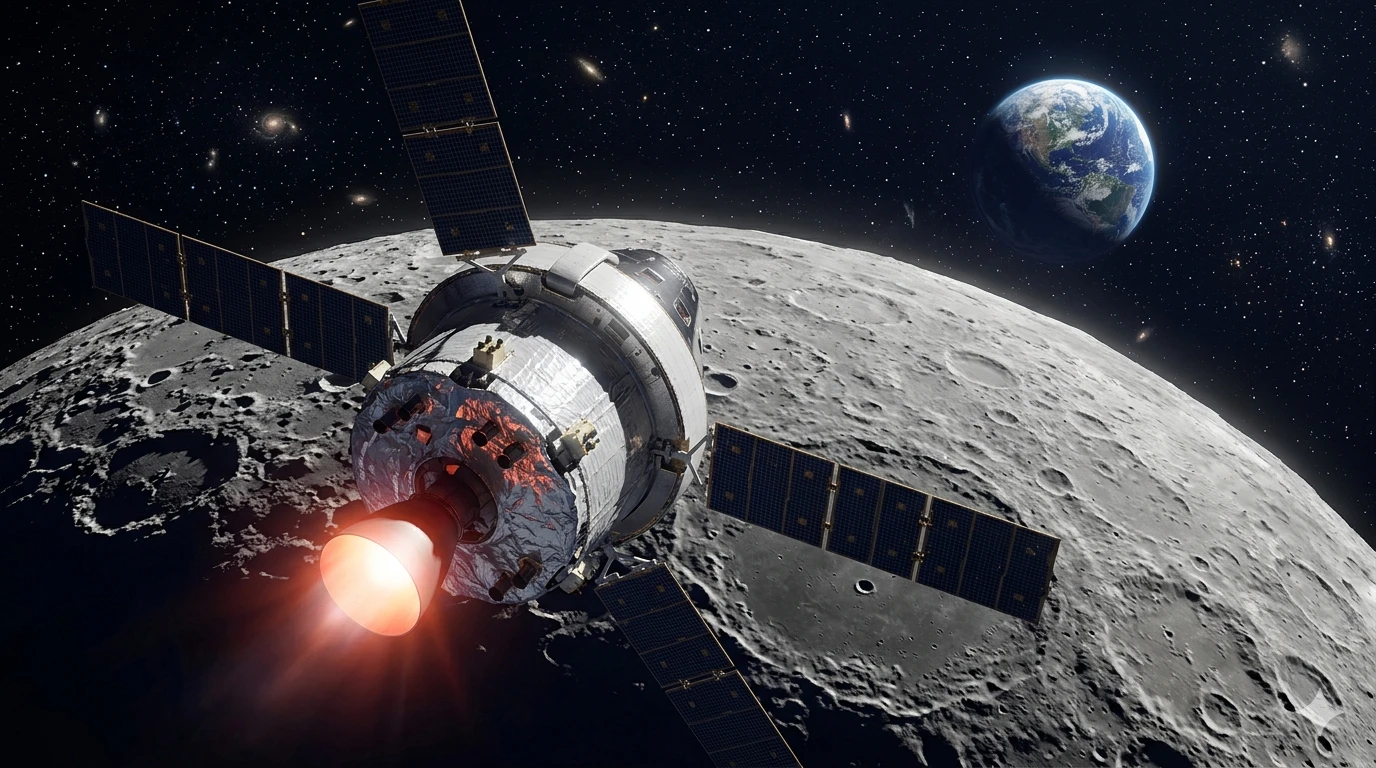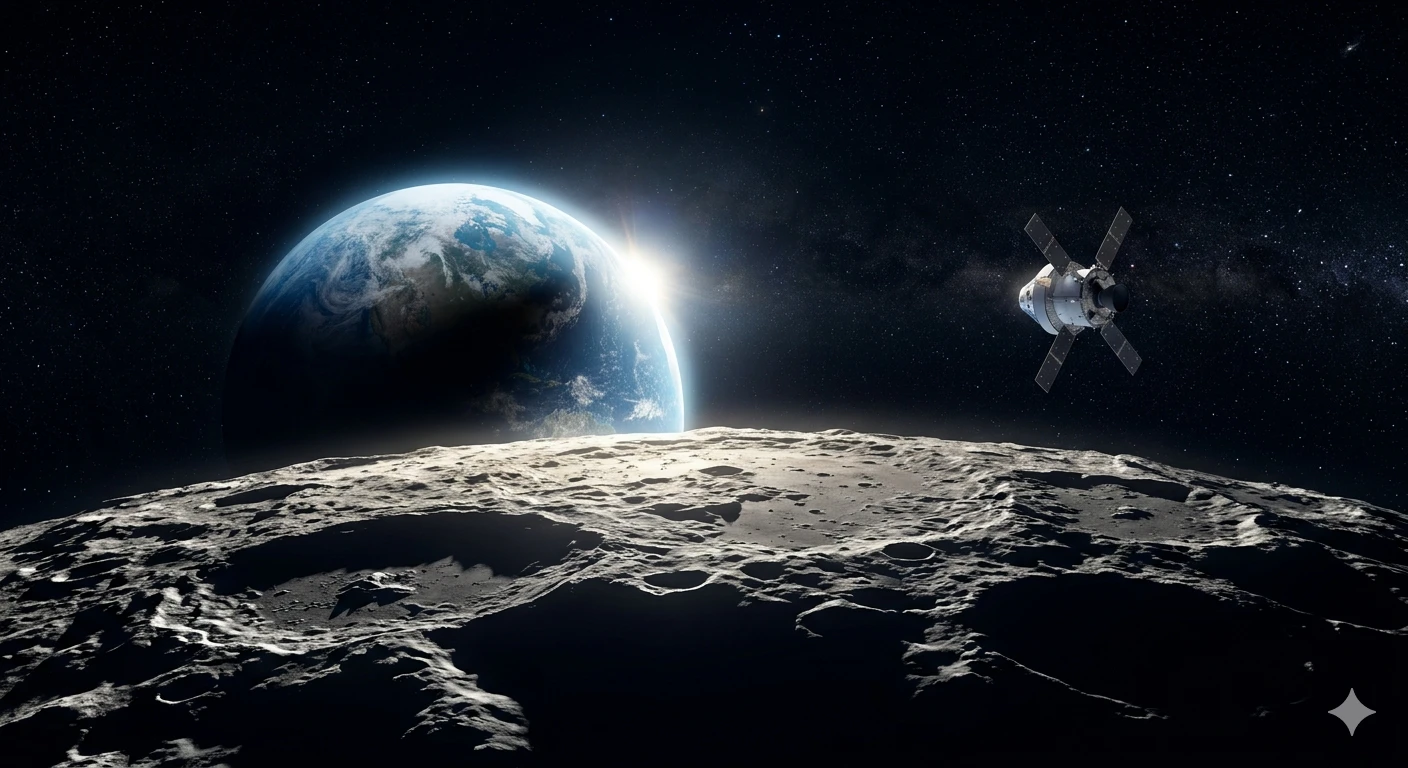


Artemis II Day 10: NASA’s Artemis II mission made a successful, triumphant trip back to Earth. The Orion capsule came down in the Pacific Ocean at 8:07 p.m. EDT on April 10, 2026. So, humanity wrapped up an amazing ten-day trip around the Moon.
On April 1 at 6:35 p.m. EDT, the mission blasted off from Kennedy Space Center riding NASA’s SLS rocket. On board were four veteran crew members: NASA commander Reid Wiseman, pilot Victor Glover, mission specialists Christina Koch and CSA astronaut Jeremy Hansen. They made history, even before they started back home.
The Final Day Begins
Day 10 started with careful determination. Koch and Hansen started setting up the Orion capsule, Integrity, for re-entry. They took off the cargo netting, put back the middle seats, and fastened everything loose. The whole crew reviewed arrival schedules and got an update on the recovery weather. Meanwhile, recovery efforts spread across the Pacific.
At 2:53 p.m. EDT, the crew carried out their last, final correction burn on the return path. That crucial move guided Orion exactly into its splashdown path. Because of that, the spacecraft stayed on a steady, correct path to Earth.
Re-Entry: Fire and Physics
Orion pulled away from its European Service Module 42 minutes before splashdown. Then the ESM safely burned up in the Pacific sky. Then the capsule sped up fast toward Earth’s upper atmosphere.
Orion came back in at about 24,661 miles per hour, roughly the same pace as the Apollo missions used during the Moon landings. Engineers intentionally picked a steeper entry curve. After heat-shield wear showed up during Artemis I, NASA abandoned the earlier “skip re-entry” plan and chose a steeper path instead.
At 23,400 feet, it sped up fast. Orion’s drogue chutes opened, slowing the descent to 479 feet per second. At 5,400 feet, the three main parachutes popped open, slowing them to less than 200 feet per second. At last, Orion eased down to around 20 mph and then splashed into the water off San Diego’s coast.
Splashdown and Recovery
After the splashdown, Mission Commander Reid Wiseman confirmed that all four astronauts were healthy. Soon after, recovery crews rushed to help. Navy divers fastened a winch line to Orion and guided the capsule into a custom cradle aboard the USS John P. Murtha’s well-built deck.
More than seven US. Navy and NASA Sikorsky H-60 Black Hawks helped save the crew and captured images of where they landed in the water. This is the Navy’s first recovery of a crewed NASA mission since the Apollo–Soyuz Test Project back in 1975.
After the crew finishes medical checks on the ship, they’ll run an obstacle course to see how fast they adjust to Earth’s gravity. They later head to Ellington Field in Houston, where they reunite with their families.
Mission Highlights
During the mission, the crew reached amazing milestones. On April 6, they hit 248,655 miles from Earth, far beyond any human journey, beating Apollo 13’s 1970 record.
Still, it didn’t go flawlessly. At the news conference after the splashdown, the mission team pointed out a few things that still needed careful checking: the heat shield, a redesigned service-module valve, and a toilet problem.
Still, NASA stays optimistic about what’s next. Associate Administrator Amit Kshatriya said that keeping flight schedules and improving step by step are what ensure reliability and safety, adding that Artemis III could launch as soon as next year.
So even with its flaws, Artemis II shows we’re not waiting on a far-off Moon comeback, our return is already speeding up.
¢€
“Sources: NASA Live Blog, NASASpaceFlight.com, Wikipedia – Artemis II, Live Science, CNN“
Recent News:
Iran-US Peace Talks Underway; Trump Says Hormuz