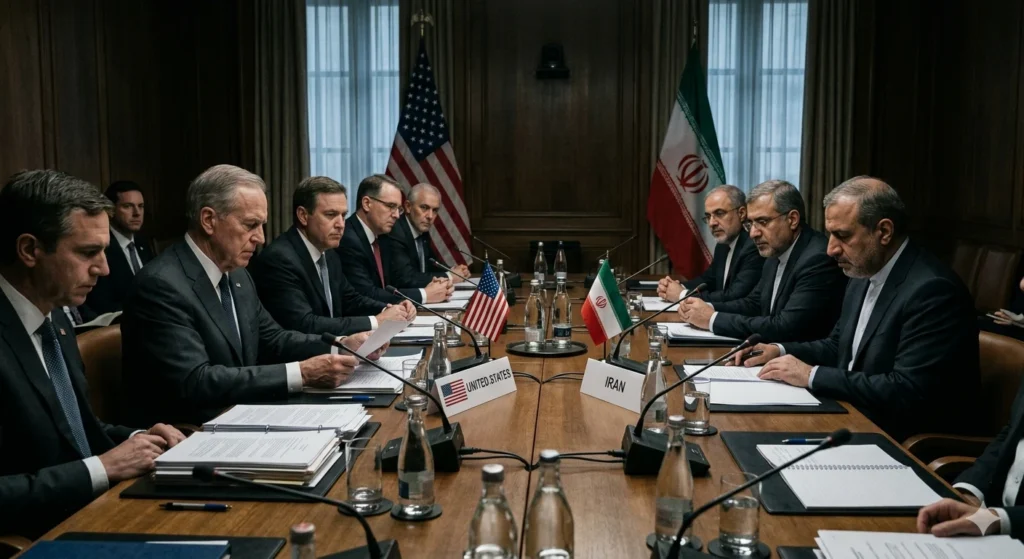

US-Iran Talks, On Sunday, long peace talks between the United States and Iran fell apart, with no agreement reached. In Islamabad, Pakistan, talks dragged on for 21 exhausting hours. Even with strong diplomatic efforts, neither side managed to close their biggest gaps. Now the stalled talks are putting the fragile two-week ceasefire at serious risk, and people fear fighting will restart and grow worse.
US. Vice President JD Vance guided the American team into the high-stakes summit. Reports say Iranian officials were more willing to talk with Vance than with earlier US. envoys like Steve Witkoff and Jared Kushner. But the result was very disappointing. After over twenty years of no talks like this, the meeting ended without any real breakthrough.
“We have had a number of substantive discussions. We’ve talked about important matters. Good news, right there. Vance said, bluntly, “The bad news is we still haven’t reached an agreement.” “We have made very clear what our red lines are, and they have chosen not to accept our terms,” he added.
At the same time, Iran’s delegation told Pakistani mediators it would not agree unless four demands were met: full control of the Strait of Hormuz, full war reparations, release of all frozen assets without conditions, and a lasting ceasefire across West Asia. So, both sides ended up stuck in positions that couldn’t match.
The breakdown centered on one big nuclear question. Vance pushed Iran to make a lasting deal, not just for the next two years, but for good, so it would never build a nuclear weapon or the means to make one fast. He insisted on real political will, not just a short-lived pause.
Meanwhile, Iran’s foreign ministry spokesperson, Esmail Baqaei, said his team used every resource in the talks. He said progress would only happen if the US. acted seriously and didn’t make too many unlawful demands. After the talks, several Iranian media outlets said the US. side wasn’t being realistic and was asking for too much.
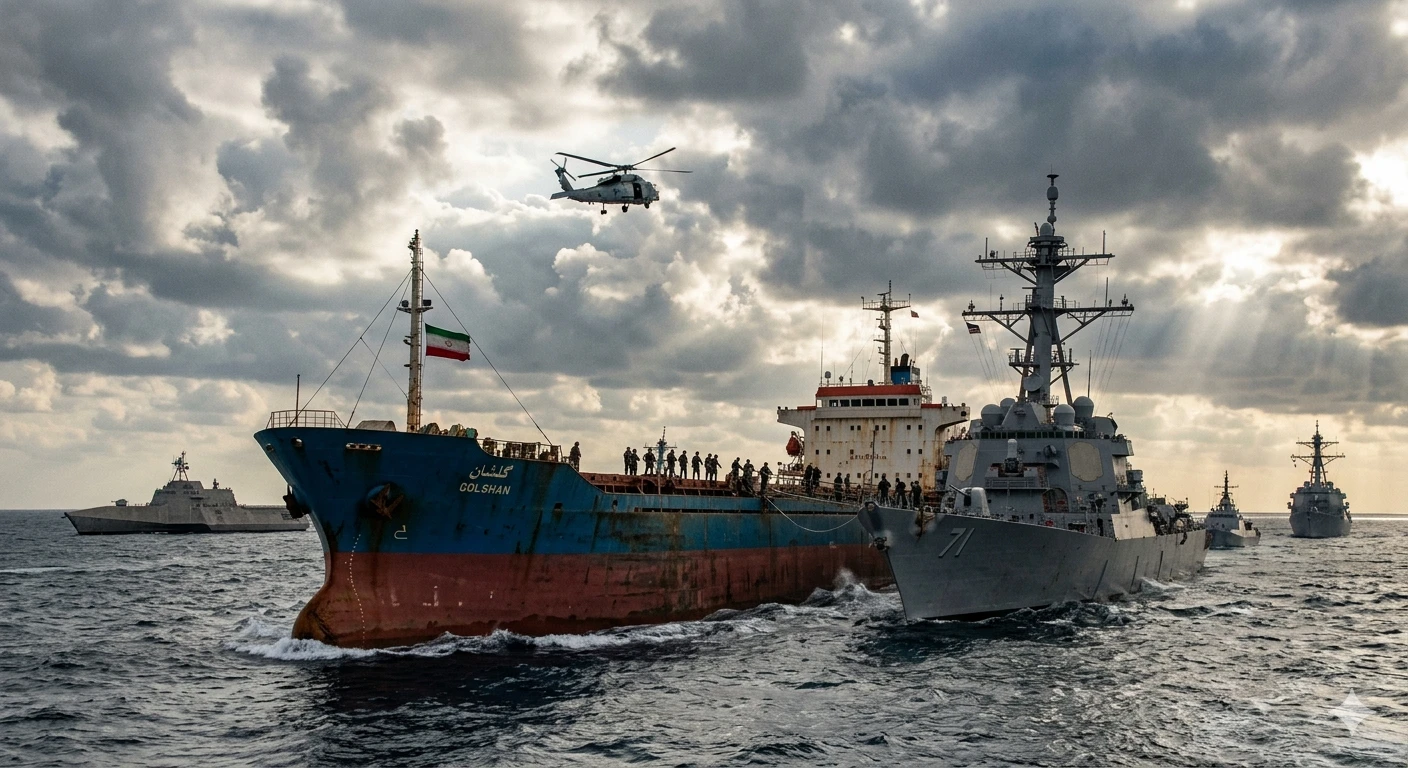
Outside the nuclear fight, the Strait of Hormuz turned into another deadly battleground. Iran set sea mines in a key shipping route, risking disruptions to worldwide oil and gas. So, US. Central Command sent the guided-missile destroyer USS Frank E. Peterson and the USS Michael Murphy began clearing operations while diplomats talked just a few miles away.
Pakistan hosted the process and played a key role throughout. Vance called Prime Minister Shehbaz Sharif and Army Chief Field Marshal Asim Munir “incredible hosts.” Still, their efforts couldn’t bridge the lasting, deep gap between Washington and Tehran.
During the marathon session, the American team stayed in frequent contact with President Trump. Vance said he talked with the president at least six times during those 21 hours. They also worked with Secretary of State Marco Rubio, Defense Secretary Pete Hegseth, and Treasury Secretary Scott Bessent. Even with strong backing, the negotiators still made little progress.
So, where to go next is still dangerously unclear. Bloomberg said Iran’s demands have grown even tougher since the February talks before the war, so this round is likely to be much harder to settle. Even so, Vance said the US. walked away from its “final and best offer” before leaving Islamabad.
So, Tehran makes the next move. Officials near Iran say America now has the ball and must make the next move. For now, everyone is waiting, because what happens next could decide the future of the whole region.
“Sources: Axios, NBC News, CNBC, Al Jazeera, Time, Bloomberg, USC Dornsife”
ûÃ
Recent News:
Artemis II Day 10: Live Reentry Updates & Status