
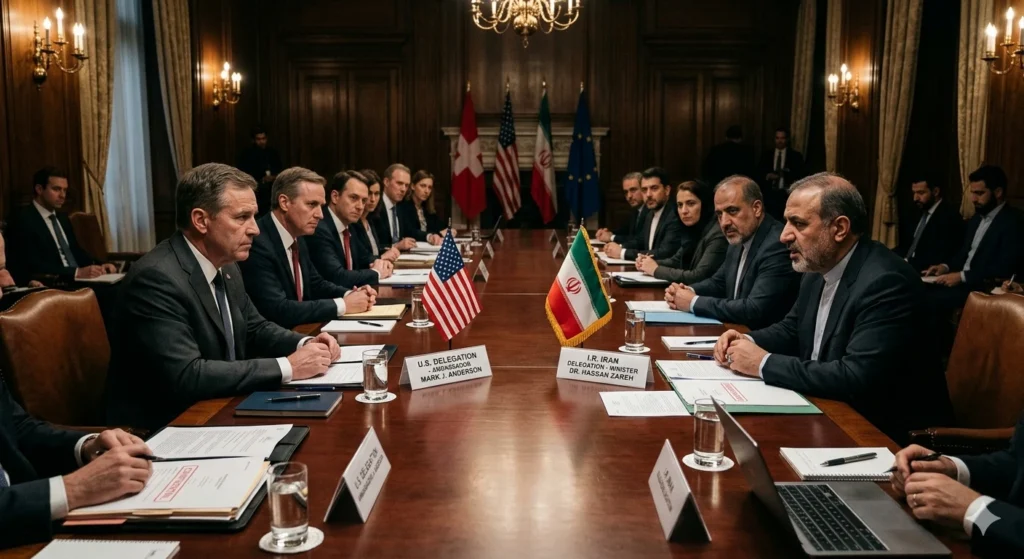

US-Iran Ceasefire Agreed, On Tuesday night, President Donald Trump stunned the world. He declared a ceasefire with Iran lasting two weeks. Just 90 minutes before the deadline for his military plan ran out. The breakthrough happened only after days of growing threats, and last-minute talks.
Trump shared the news on Truth Social. He said he would stop all bombing of Iran for the next two weeks. Still, he demanded one firm condition: Iran had to ensure the Strait of Hormuz reopened fully, right away, and safely.
Iran’s foreign minister, Abbas Araghchi, quickly confirmed Tehran agreed. He said Iran would let ships pass safely through the Strait during the ceasefire, working with Iran’s armed forces to coordinate it.
Pakistan Steps In at the Final Hour
Pakistan was key in getting this deal done. On Tuesday afternoon, Pakistan’s Prime Minister Shehbaz Sharif proposed a two-week ceasefire. He said talks between the two sides were moving ahead steadily, with real strength, and then Sharif even urged Trump to pause the military strikes.
On Friday, April 10, he asked both groups to come to Islamabad so they could iron out the last issues and finalize an agreement. The US. military moved quickly afterward. Two US. officials told NBC News the Pentagon ordered all offensive actions against Iran to stop right away.
Iran’s 10-Point Plan Drives the Agreement.
Iran came to the table with something in hand. Instead, Tehran put forward a detailed 10-point peace plan. Trump said the plan was a workable starting point for talks. But he also made it clear that the agreement depended on Iran reopening the Strait of Hormuz.
Iran’s Supreme National Security Council confirmed the deal and said, with confidence. That almost all of its war goals were already met. The 10-point plan calls for Iran to oversee the Strait of Hormuz. Stop attacks on allied resistance groups, pull U. S. combat troops out of nearby bases, and fully lift sanctions.
Markets Surge, Region Braces
The markets responded right away, and the ceasefire news lifted them. S&P 500 futures jumped over 1%, but oil futures fell about 6%. Signaling quick relief as worries about a wider war eased. Still, the area didn’t go quiet right away. Soon after the ceasefire was announced, sirens blared across the Gulf and Israel.
Kuwait, the UAE, Qatar, Bahrain, and Saudi Arabia all said they faced incoming missile and drone threats. Israel also said it was hesitant about the pause. An Israeli source said Israel will follow Trump’s lead and stick to the ceasefire. But added that it still has other targets and goals it wants to reach through military force.
What Comes Next
Both sides start a crucial two-week negotiation period. The U. S. and Iran delegations are set to meet in Islamabad for official peace talks this Friday. JD Vance will probably head the American side. Trump sounded hopeful in his remarks.
He wrote that they had agreed on almost everything they once argued about, and that adding two more weeks would give them time to finish the deal and sign it. So the world is now watching Islamabad. Over the next two weeks, we’ll learn if this ceasefire holds into real peace, or if it’s just a break before fighting resumes.
Sources: NBC News, CNN, Axios, NPR, Foreign Policy, Wikipedia
Recent News:
Artemis II Moon Flyby: NASA Reveals Epic Earth Images
Trump Threatens Iran: Civilization Will Die Without a Deal
Pristine Star Found: Scientists Unveil a 13-Billion-Year Relic