
March 27, 2026 | Iran WAR, Israel-Tehran
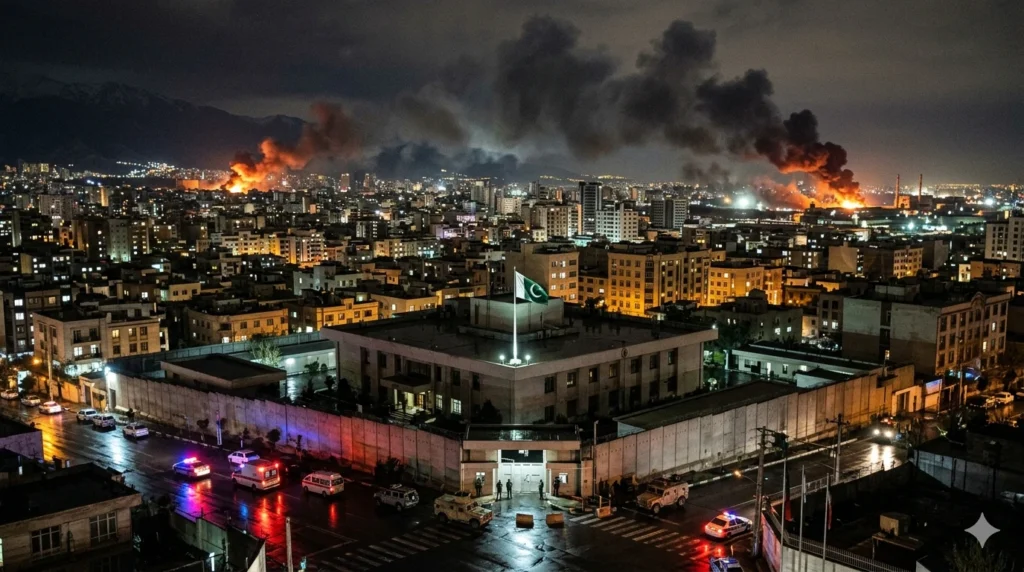
Israeli airstrikes targeting IRGC facilities in Tehran have triggered fresh diplomatic anxiety after blasts were reported in proximity to Pakistan’s embassy in the Iranian capital at a moment when Islamabad is playing an increasingly sensitive role as a back-channel mediator between Washington and Tehran.
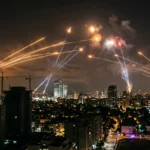
The Israeli Air Force struck what it described as the “main security headquarters” of Iran’s Islamic Revolutionary Guard Corps in Tehran, with the IDF stating the compound was embedded within civilian infrastructure and used to synchronize regional units responsible for enforcing internal security. The Chitgar neighborhood, home to key IRGC Aerospace command assets, was among the areas hit during the broader wave of strikes.
Pakistan’s diplomatic mission was not targeted, and embassy staff were confirmed safe. However, the proximity of the blasts to civilian and diplomatic corridors alarmed officials in Islamabad, where unverified social media claims about a strike on the ambassador spread rapidly before being refuted.
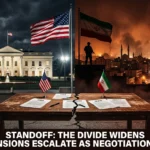
The incident comes at a precarious diplomatic moment. Pakistani Foreign Minister Ishaq Dar confirmed that Pakistan has been facilitating “indirect talks” between the US. and Iran by relaying messages, with the United States having shared a 15-point proposal currently under deliberation in Iran.
Pakistan has pitched Islamabad as a venue for formal talks involving senior Trump administration figures and Iran, a role made possible partly because Pakistan hosts no American military bases, positioning it as a credible neutral party to both sides.
Pakistan’s mediation credentials are rooted in its rare dual standing: it maintains warm ties with both Washington and Tehran, and formally represents Iran’s diplomatic interests in the United States.
Iran has publicly denied any active negotiations, while Tehran has laid out five firm conditions for ending hostilities, including security guarantees, full reparations, and a new legal framework governing the Strait of Hormuz.
Analysts warn the strikes near diplomatic zones underscore the acute spillover risks of a conflict now in its fourth week. Despite early signs of backchannel progress, the path to a ceasefire remains deeply uncertain, with Iran yet to signal readiness for formal negotiations.
“Sources: Times of Israel, Al Jazeera, OPB/NPR, Foreign Policy, The Irish Times, Gulf News, The Diplomat“