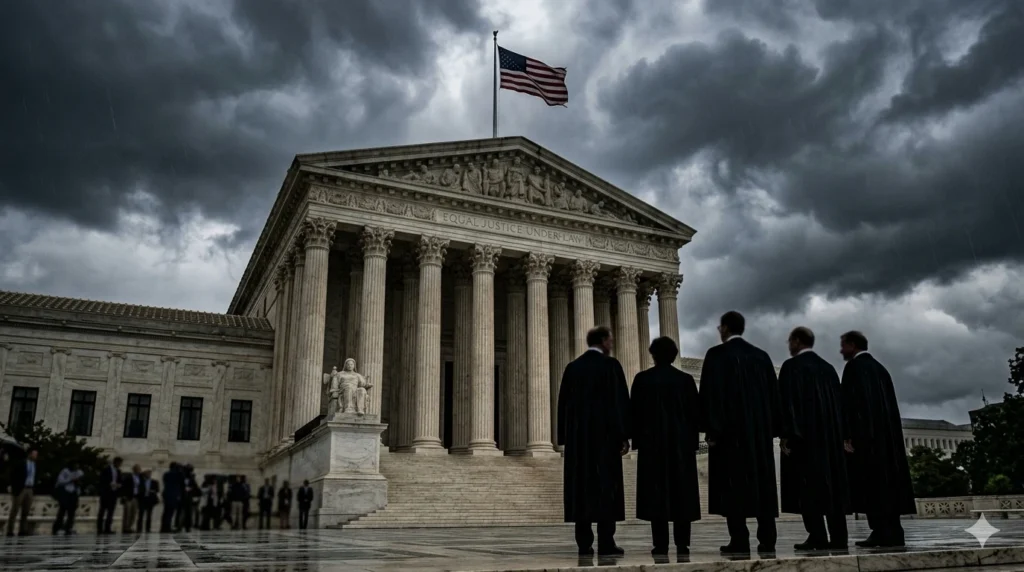

The Supreme Court shaped by Trump is still reshaping the US. Civil rights law. Step by step, the 6–3 conservative majority issues decisions that civil rights advocates say are historic setbacks. The court’s broad rulings reach from transgender protections to voting rights, and this momentum doesn’t look like it will ease anytime soon.
A Court Built for This Moment
In 2025, the Supreme Court sided with the Trump administration in most cases, granting 20 out of 24 emergency requests. In 2025, the court’s conservative 6–3 majority largely sidestepped head-on fights with Trump, yet still gave him a string of victories. As major rulings come in 2026, civil rights groups are preparing for even bigger losses.
Transgender Rights Face Relentless Rollback
The court quickly handed down six broad rulings against transgender rights. Mahmoud v. CaseTaylor granted parents freedom of religion to remove their children from LGBTQ-inclusive classes. Trump vs. (something)Orr made passports available, listing only biological sex. Mirabelli vs. Bonta said schools can’t move students to something new without parents knowing. Chiles versus V. Salazar ended Colorado’s ban on conversion therapy.
Also, these six decisions wouldn’t have seemed possible right after Bostock v. Clayton County, Georgia. Chief Justice Roberts and Justice Gorsuch, both part of the majority in Bostock, sided with the majority in each of these six cases as well. So this change in ideology comes from more than new justices; it’s new alliances too.
Voting Rights at a Crossroads
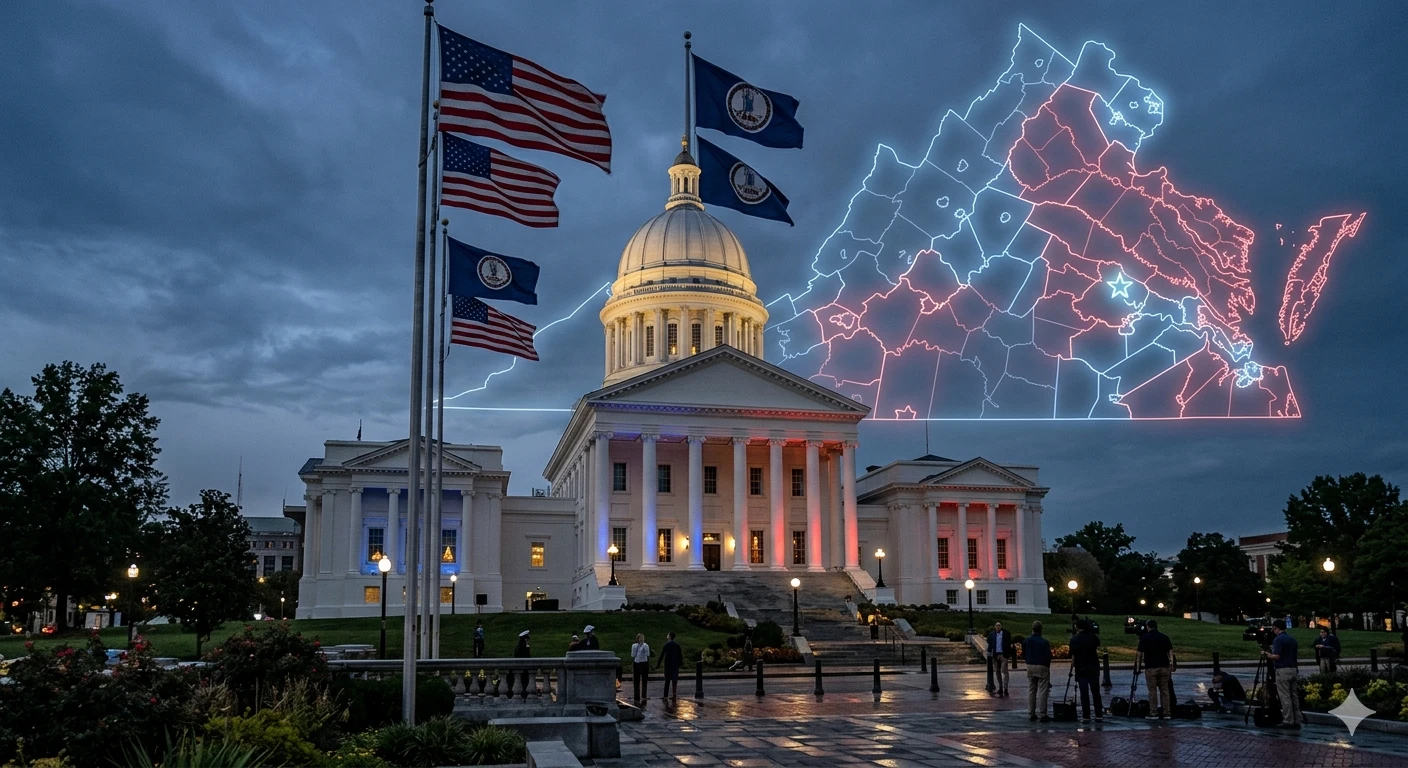
Meanwhile, the court says the Voting Rights Act’s last big pillar is at risk. The court’s conservative side seemed willing to agree that race had been used too much in Louisiana’s choice to draw a second district with a Black majority, which violates the Constitution’s promise of equal protection. A broad court decision could cut down the number of minority officials nationwide.
The Justice Department later changed course in Louisiana v. Callais dropping its backing for a second Black-majority congressional district. Because of this, civil rights groups say the shift shows a planned push by courts and the executive branch to limit minority power.
Birthright Citizenship Under Direct Attack
The Supreme Court listened to oral arguments in Trump v. Barbara, which is part of a nationwide class-action lawsuit against the administration’s plan to strip birthright citizenship, a right protected by the 14th Amendment, after Trump signed an executive order aimed at denying citizenship to children born in the US. to undocumented mothers.
Still, the justices looked doubtful in court, and Justice Ketanji Brown Jackson challenged the government, asking how the policy would work from the moment a child is born. Still, civil rights lawyers say that even a limited decision could take citizenship away from thousands of children.
A Pattern Civil Rights Groups Call Unprecedented
The Trump administration pulled back guidance tied to Section 1557 of the ACA that had strengthened anti-discrimination rules, using Supreme Court decisions to bar discrimination against sexual orientation and gender identity in health programs. The Department of Education cut more than $600 million in grants for schools that train teachers, including programs focused on diversity, equity, and inclusion.
As a result, advocacy groups call it the harshest cut to civil rights protections in modern US. history. Legal experts say Trump has pushed constitutional limits more than any president before him, and in 2025 alone, people filed 358 lawsuits over what he did.
The two transgender athlete cases, West Virginia v., involved key decisions. B.P.J. and Little v. Hecox is expected in spring or early summer 2026. That citizenship ruling might also come before the term ends in June.
At the heart of America’s problem is this: “will the Supreme Court restrain a president who, according to his chief of staff, thinks he can do anything?“ For millions of Americans, watching from the sidelines, this question feels more urgent than ever.
“Sources: SCOTUSblog, Washington Post, NBC News, ACLU, NAACP, Civil Rights.org, Ms. Magazine, The Hill”
£Œ
More News:
How Ben Sasse Is Living as He Faces a Terminal Illness