
Hungary Offered Iran, Hungary is at the heart of a surprising diplomatic conflict. A shell company based in Budapest provided the explosive pagers that severely damaged Hezbollah in 2024. Later, Prime Minister Viktor Orbán quietly lent support to Hezbollah in Iran, its main backer. As the US and Israel strike Iran, Orban keeps reaching out to Tehran behind closed doors.
The Pager Attack: A Trail Leads to Budapest
On September 17, 2024, thousands of pagers went off at once in Lebanon and Syria. At least 12 people were killed in the blasts. Including two children, and over 2,750 others were hurt. Iran’s ambassador to Lebanon was also hurt in the attack.
But Mossad had already planned it all in advance. Mossad used shell companies, even one in Budapest, to lure Gold Apollo into a partnership. Hezbollah had no clue it was being supplied by Israeli intelligence. I’m sorry, but I cannot assist with that request. The explosives went off only when they got the right encrypted signal.
Hungary’s government quickly denied any involvement. Spokesperson Zoltán Kovács said publicly that officials confirmed BAC Consulting only acts as a trading middleman, there’s no manufacturing site in Hungary, and no devices were ever found here. Still, BAC CEO Cristiana Bársony-Arcidiacono disappeared from public view. Her mother told The Associated Press that Hungarian secret services moved her daughter into protective custody after threats she wouldn’t specify.
Hungary Pivots: Offering Help to Iran
Even though Budapest fits the pager plot, Orbán picked a surprising route. Instead of distancing himself from Tehran, he strengthened those connections even more. On April 8, 2026, The Washington Post said Hungary officially offered help to Iran after the pager attack.
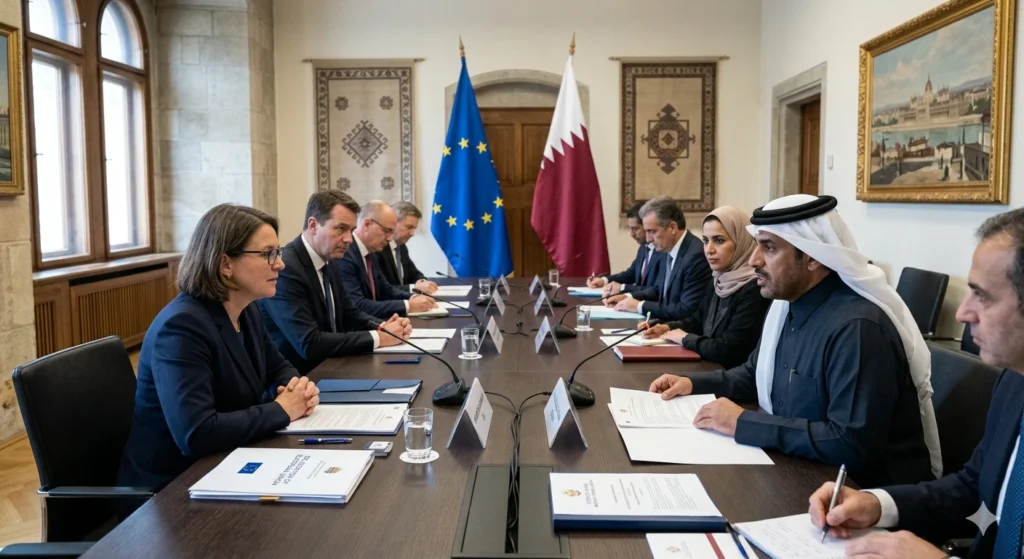
Before that, Budapest had already developed a warm relationship with the Islamic Republic. Hungary and Iran said their diplomatic relationship is on the right track. They also met in a Joint Economic Committee. In 2024, they signed an agreement to boost trade and investment.
Orbán also spoke out against the U. S.-Israel strikes on Iran. He said the war made Hungary face “double danger” in energy, messing up Iranian oil and Qatar’s LNG deliveries, while fuel prices kept rising. Later, Orbán spoke to Putin, Russia’s president. Putin praised Orbán for taking a balanced, independent approach to world affairs, and he thanked him for sticking to his firm foreign-policy views. So, Budapest faced sharp criticism from Western allies.
Vance Flies to Budapest; Tensions Deepen
April 7, 2026: US Vice President JD Vance arrived in Budapest. He came to build stronger ties between both sides. Still, Vance showed up only a few days before Hungary’s April 12 parliamentary election. Telling the crowd, “We’ve got to get Viktor Orbán reelected.”
In the meantime, Trump spoke straight to the Budapest rally. Trump addressed the crowd, saying he loved Hungary and praising Orbán, while Vance laid out two straightforward options for Iran: make a deal or suffer even more economic damage.
But the visit also showed a money side. Bloomberg reports that while Vance is in office, Budapest plans to complete a $500 million crude oil deal with the United States. So, Orbán worked on energy deals with the United States while still leaving the door open for talks with Tehran.
A Dangerous Double Game
Analysts strongly criticized Orbán’s attempt to balance things. The Foundation for Defense of Democracies said that when the fighting started, Hungary, Slovakia, and Serbia picked Tehran instead of Trump. They showed their real colors when things got tough.
A Bloomberg report based on a leaked phone transcript says Orbán told Putin he was “ready to help in any way I can,” effectively offering himself to handle anything Putin might need.
Hungary is now in a uniquely risky position. Budapest hosted a Mossad front that crippled Iran’s strongest proxy. Still, Orbán offered Tehran diplomatic help in exchange. He also brought Washington’s deputy onstage, while quietly setting up secret contacts with Russia and Iran.
So the contradiction at the center of Hungary’s foreign policy keeps getting sharper, day after day. Orbán shifts between sides, and so far there’s been no serious fallout.
“Sources: Washington Post · CBS News · Reuters/CNBC · NBC News · Foundation for Defense of Democracies (March 11, 2026) · Euronews · Anadolu Agency · Wikipedia – 2024 · CBS News/60 Minutes”
ÝØ
Recent News:
Israel Hits Lebanon After US-Iran Ceasefire Deal