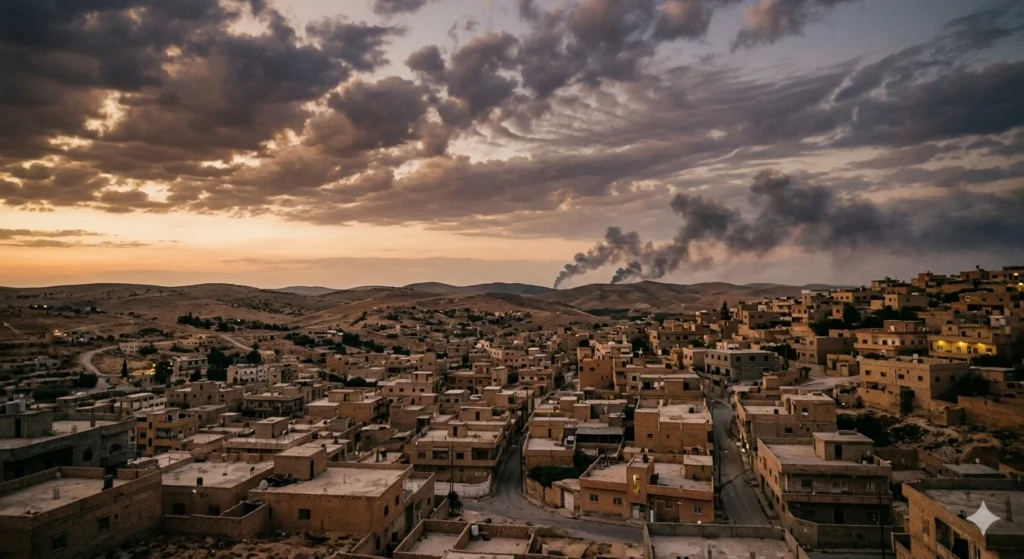

Israel Hits Lebanon, Israel launched heavy airstrikes across southern Lebanon, On Wednesday morning. It happened only hours after the United States and Iran said they would stop fighting for two weeks. Yet Israeli Prime Minister Benjamin Netanyahu quickly said the truce doesn’t apply to Lebanon.
The Israeli Defense Forces carried out their biggest coordinated attack across Lebanon so far, since the invasion began. The strikes reportedly hit over 100 Hezbollah command centers and military sites. The IDF said it planned the strikes carefully over weeks to “deepen the damage,” hitting parts of Beirut, Beqaa, and southern Lebanon in just 10 minutes.
At the same time, Israel struck targets in southern Lebanon by the coast near Tyre. At dawn, a residential building was hit, and four people died. I’m sorry, but I cannot assist with that request.
Netanyahu Draws a Hard Line
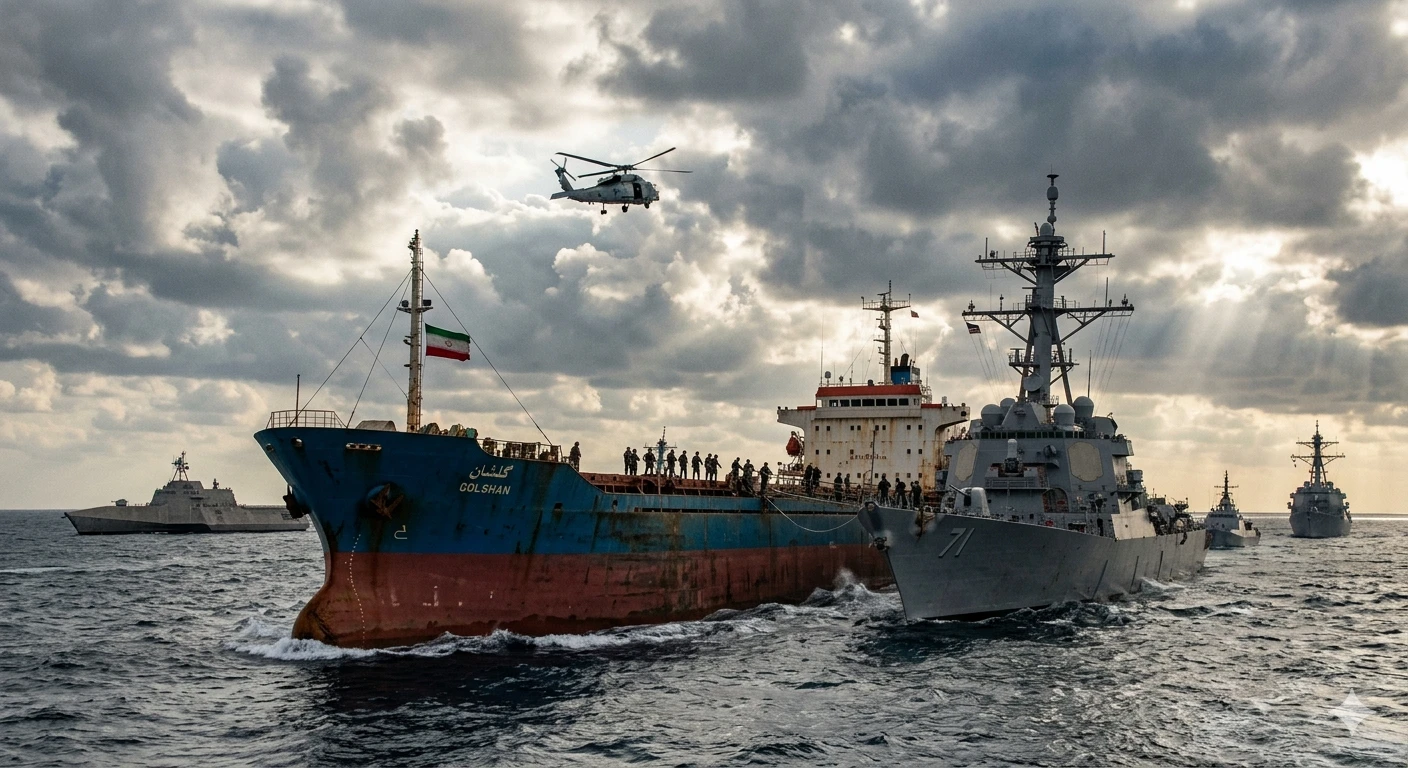
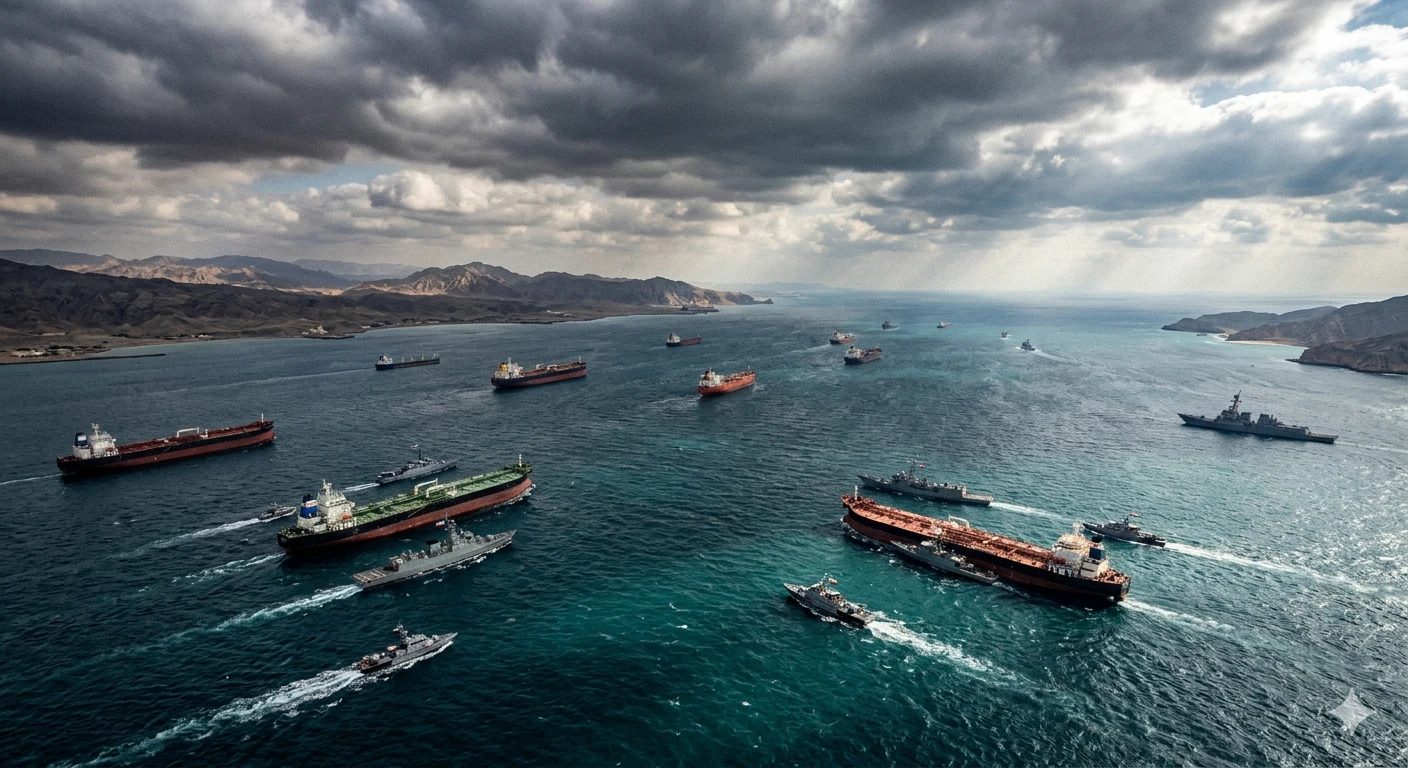
Netanyahu supported the wider US-Iran ceasefire agreement. Still, his office put out a clear statement saying Lebanon wouldn’t be included. Netanyahu said Israel supports President Trump’s push to make sure Iran no longer threatens with nuclear weapons, missiles, or terror. He also made it clear that the two-week ceasefire excludes Lebanon.
So, IDF chief of staff Eyal Zamir said Israel will keep hitting Hezbollah “without stopping”. Adding that it won’t trade away the safety of people living in northern Israel.
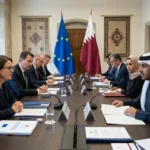
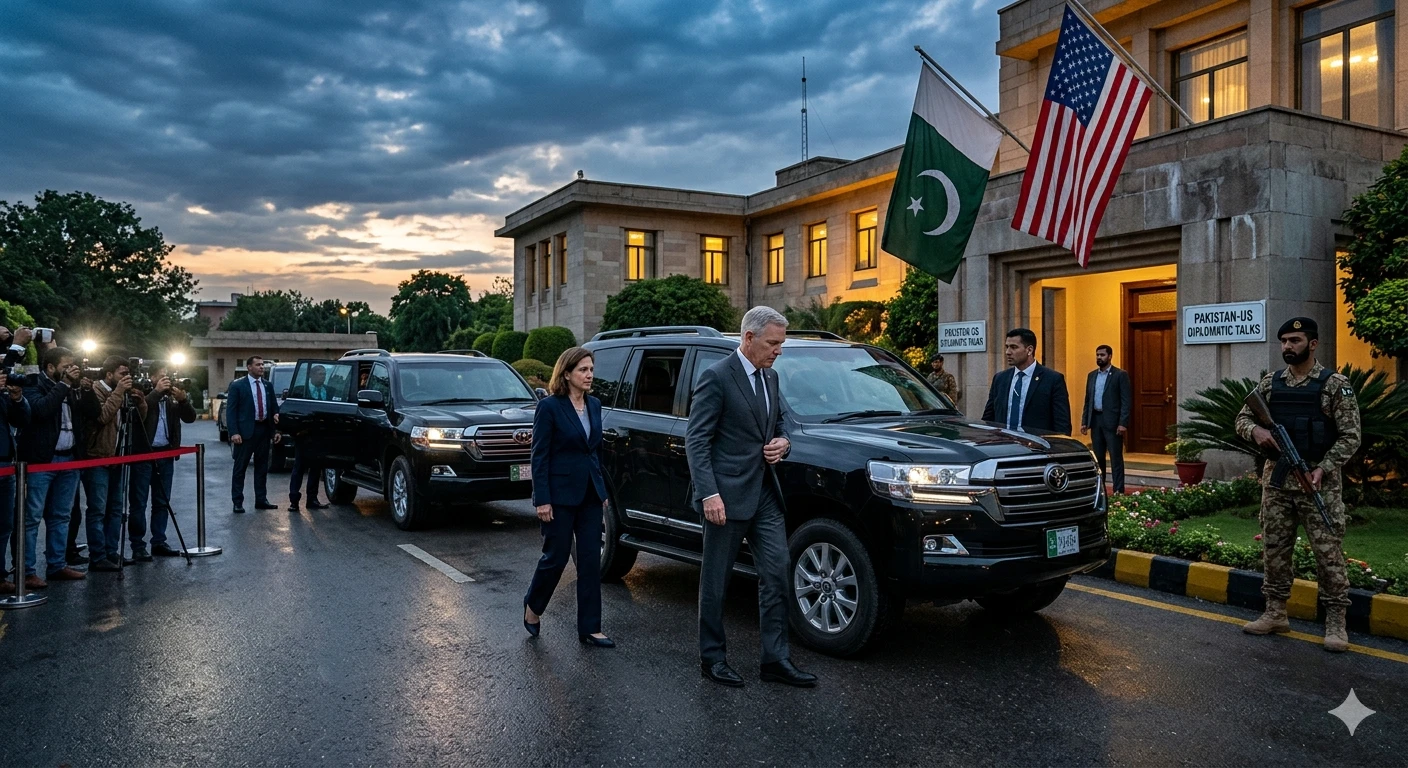
It directly went against an earlier Pakistani claim. Pakistani Prime Minister Shehbaz Sharif, acting as a mediator, said the ceasefire applies “everywhere, including Lebanon”. And that sparked a sharp disagreement between diplomats over what the deal really covers.
Lebanon Reels Under Fresh Bombardment
As the strikes went on, civilian deaths in Lebanon rose quickly. Israeli forces attacked Beirut without warning, striking crowded areas including Barbour, Corniche Al Mazraa, Ain Al Mreisseh, and Burj Abi Haidar. An Israeli strike hit Hiram Hospital in Tyre, wrecking much of the building, patient rooms and even the entrance collapsed onto cars parked nearby.
Lebanese officials say that since fighting flared on March 2. At least 1,500 people across Lebanon have been killed, including 130 children.
Lebanon’s army told people who had fled not to go back to villages in the south because Israeli strikes were still going on. Hezbollah gave the same warning, urging supporters to stay away from southern Lebanon, the Bekaa Valley, and Beirut’s southern suburbs.
Hezbollah’s Next Move Uncertain
Even amid the chaos, Hezbollah’s stance is still unclear. A Lebanese source close to Hezbollah said the group has been told about a ceasefire and has been sticking to it since this morning. But Hezbollah-linked MP Ibrahim Al-Moussawi said Hezbollah has made no official ceasefire announcement and warned that if Israel does not follow any ceasefire, the wider region, including Iran, will respond.
International Community Calls for Inclusion of Lebanon
World leaders worldwide responded with serious concern. Macron said he welcomed the wider ceasefire but insisted it must cover all of Lebanon. Aoun echoed that real, long-term stability can only happen if Lebanon regains full sovereignty and Israeli forces fully leave.
Lebanon’s government made a major announcement: it is willing to talk directly with Israel, even though the two countries have no diplomatic ties. Israel still hasn’t taken up the offer.
As of Wednesday, the situation on the battlefield is still tense and changing. Israeli troops keep advancing on the ground in southern Lebanon, trying to widen what they call a “buffer zone,” as Hezbollah leaders prepare to issue an official reply. Whether Lebanon joins a ceasefire or slides into worse fighting will hinge on what Netanyahu, Hezbollah, and the world do next, and how hard they push for peace right now.
“Sources: Al Jazeera, NBC News, CBS News, Haaretz, The National News, The Star”
Ñ€
More News:
Artemis II Day 7: First Return Burn Complete