
Artemis II Day 7, The Artemis II crew has started their trip back home. At 9:03 p.m. EDT, Orion’s thrusters fired, finishing the first of three return-trajectory correction burns. This achievement signals a major turning point for humanity’s boldest crewed space mission in more than fifty years.
NASA gave the final go-ahead for splashdown on Friday, April 10. Inside the Orion capsule called Integrity, the four-person crew keeps working together with careful teamwork.
A Historic Day Filled with Activity
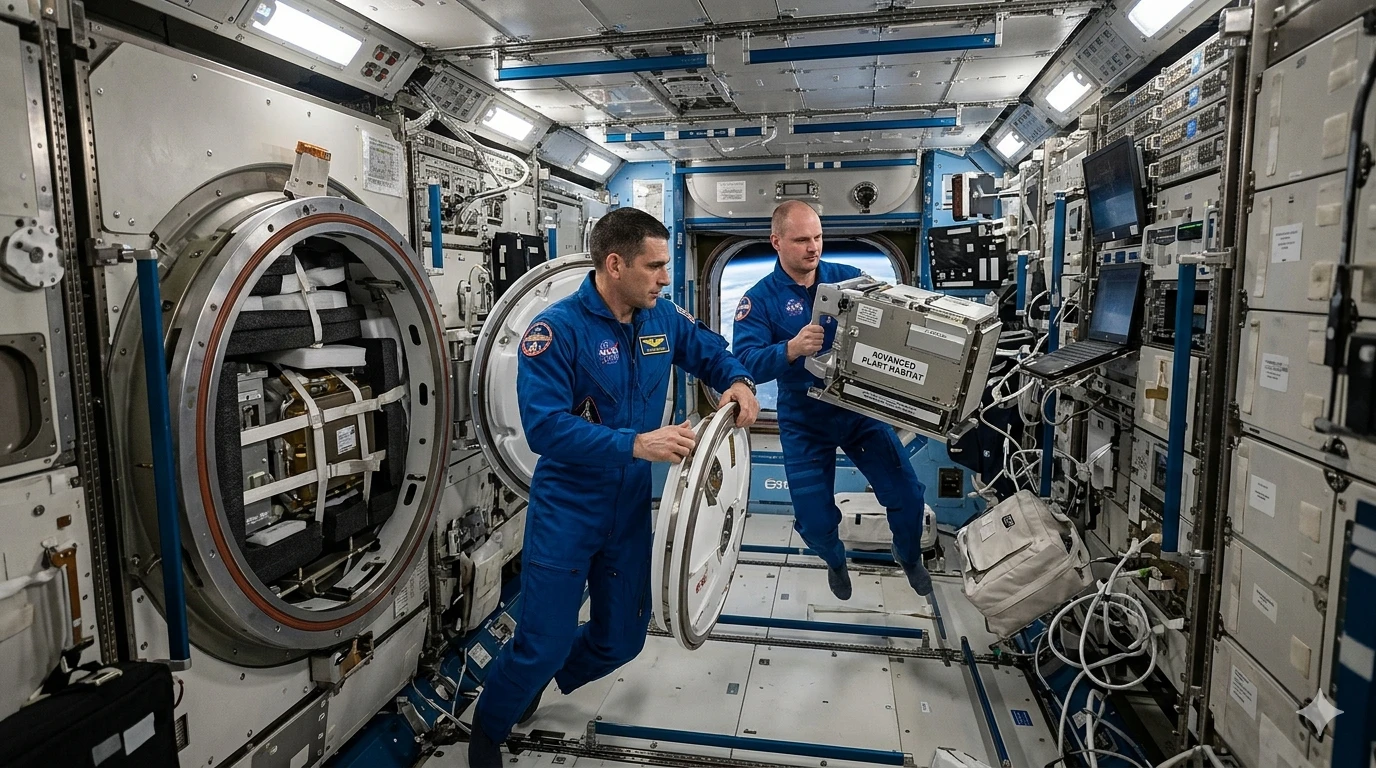
On Day 7 of the flight, the crew handled a jam-packed timetable. Mission Control set the focus for the day: a call between Expedition 74 on the International Space Station and the Artemis II team on Orion. The team also met the next day to talk through what went well during their amazing lunar flyby.
On Flight Day 7, the crew woke up about 36,286 miles from the Moon and 236,022 miles from Earth. While “Tokyo Drifting” by Glass Animals and Denzel Curry played. NASA’s beloved wake-up music kicked off the day with energy, helping set the mood for one of the mission’s biggest moments.
The Burn That Points Them Home
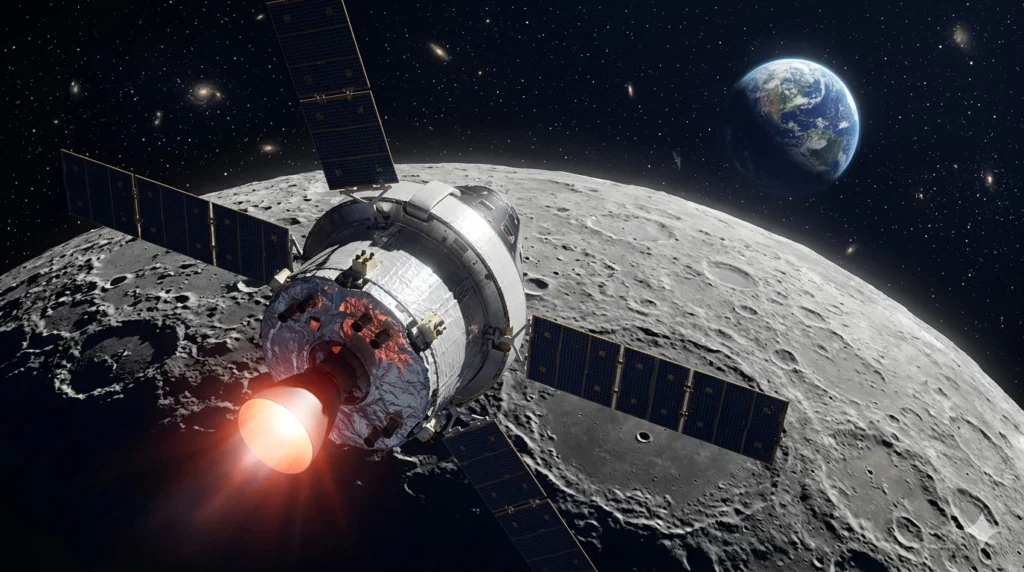
So everyone focused on the evening’s main event. That first return burn changed the spacecraft’s route and helped fine-tune Orion’s path back to Earth. Christina Koch and Jeremy Hansen checked the procedures and kept an eye on the spacecraft systems during the maneuver.
It burned for only 15 seconds, carefully timed, making the first of three planned trajectory corrections to help steer the spacecraft safely back. NASA engineers watched every second of data as it came in, live from the ground.
Breaking Records, Then Heading Back
Before the flames today, the mission was already a part of history. Artemis II beat Apollo 13’s 1970 distance record by more than 4,000 miles, and it likely traveled about 252,756 miles from Earth. Commander Reid Wiseman, Pilot Victor Glover, Koch, and Hansen now have the record for the farthest any humans have ever gone into space.
On Flight Day 6, when the spacecraft came closest to the Moon, the crew took amazing photos and told Mission Control on Earth what the heavily cratered surface looked like. Now, scientists can use these findings as useful new information for upcoming moon missions.
A Free-Return Path Ensures Safety
Orion heads home on a free-return path. Even with no engine burn, the Moon’s gravity and the way orbits work would still pull the capsule around the Moon, then send it back to Earth. Even so, NASA still performs these careful correction burns so the crew lands on target during splashdown.
So, on Flight Day 10, Orion will dip back into Earth’s atmosphere at about 25,000 miles per hour, the quickest crewed reentry anyone has tried. It shows how long the spacecraft traveled and how much energy it had to give off along the way.
Splashdown Target Set
At last, the crew plans to land in the Pacific Ocean a little after 8 p.m. ET on Friday, April 10, finishing a roughly 695,081-mile trip around the Moon and back to Earth. Recovery teams are already setting ships and helicopters in place for the historic rescue.
Flight Day 7 is more than just a technical milestone. It marks the start of the mission’s final chapter, one that reshaped how humanity relates to deep space forever. In the end, what the Artemis II team achieves today paves the way for astronauts to land on the Moon, and then to live there.
“Sources: NASA Official Mission Blog, ABC News Live Updates, CNN Space Coverage, Wikipedia – Artemis II”
Recent News:
Clay Fuller Wins Georgia Special Election