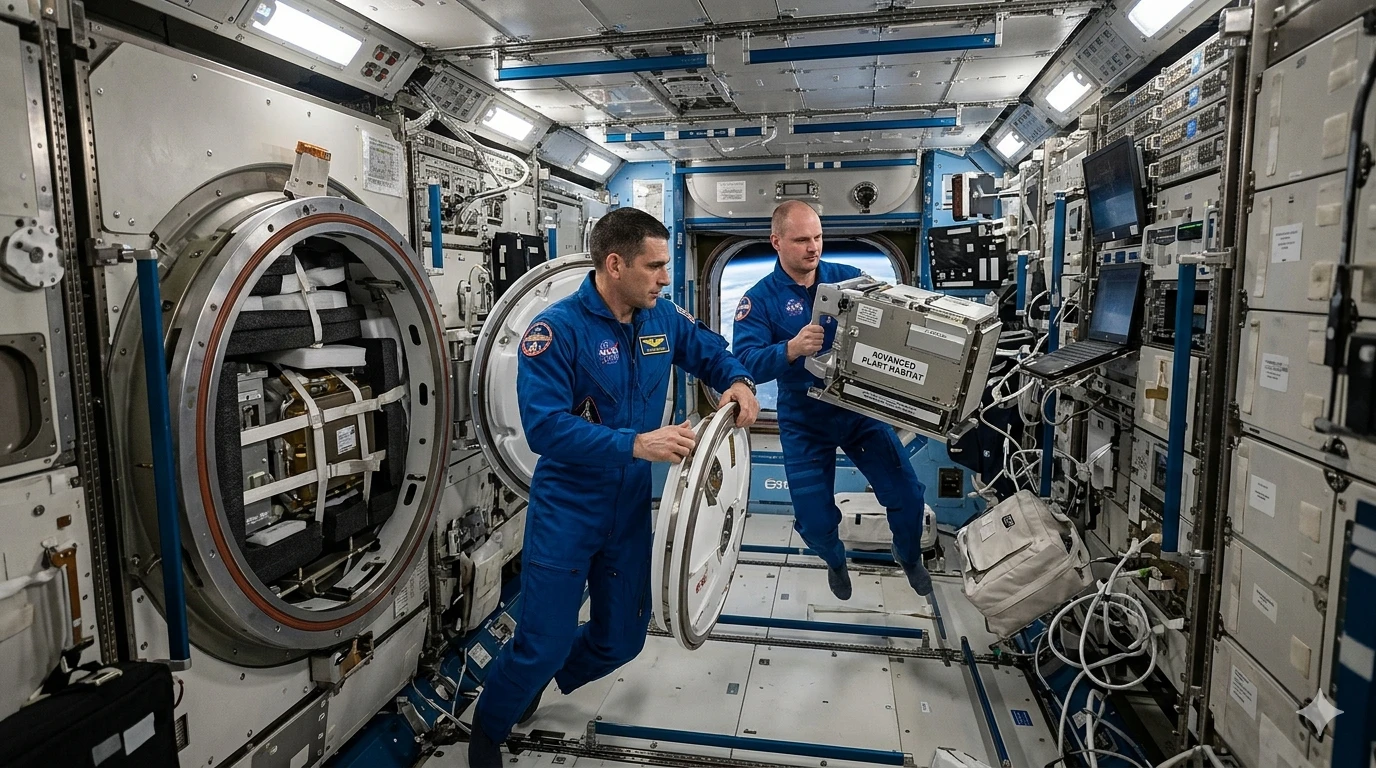


Artemis II’s Four astronauts are making history today. NASA’s Artemis II crew reaches its closest approach to the moon on Monday, looping about 4,000 miles from the lunar surface. Furthermore, the flyby window runs from 2:45 to 9:40 PM EDT on April 6, 2026.
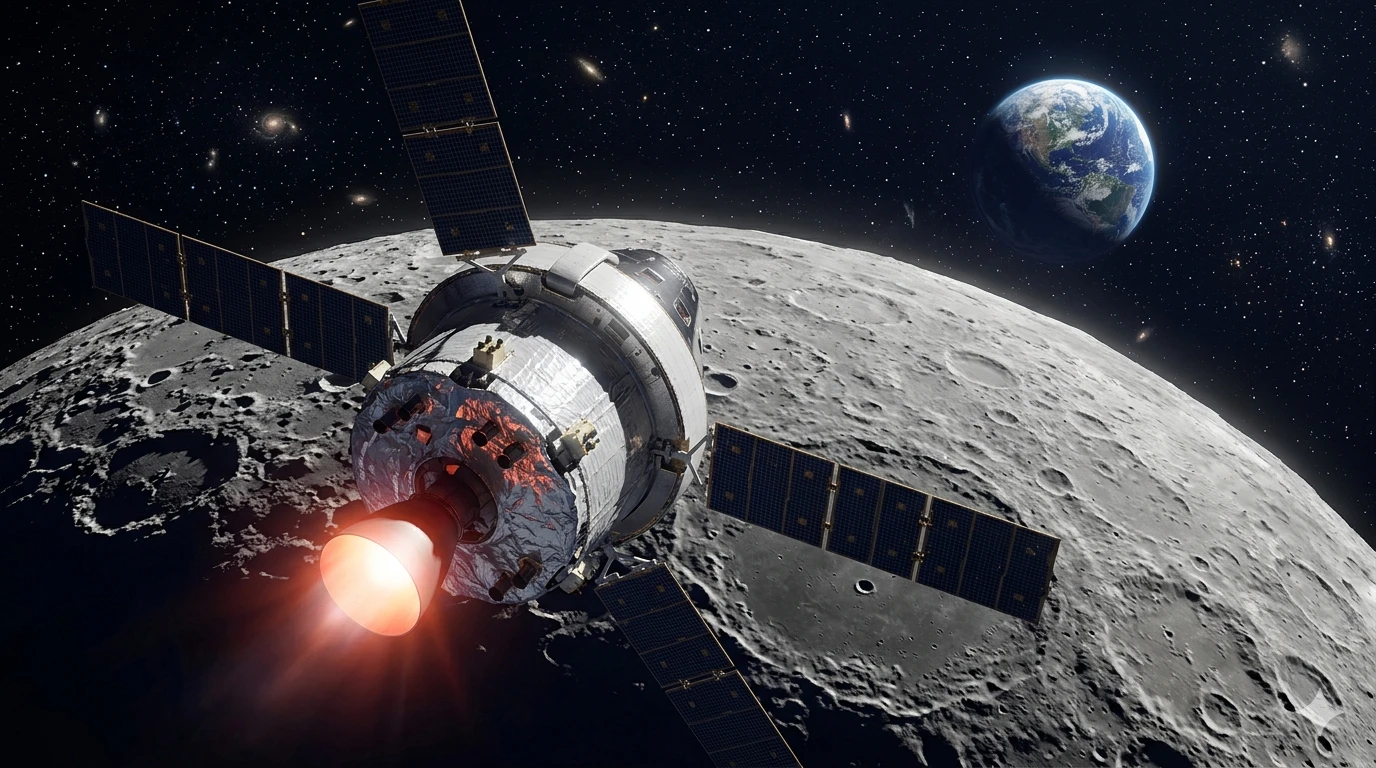
So, what makes this flyby truly unique? The angle of illumination from the Sun shifts throughout the flyby, revealing both familiar nearside terrain and portions of the far side not visible from Earth. Additionally, NASA scientists have identified about 35 geological features for the crew to observe. Moreover, one target site is a potential future landing area, and the crew will also glimpse the lunar south pole, where humans might land as early as 2028.
Meanwhile, the mission breaks records beyond the realm of science. Orion will surpass the Apollo 13 distance record by 4,102 miles, reaching a maximum distance of 252,757 miles from Earth. Consequently, this becomes the first crewed mission beyond low Earth orbit since Apollo 17 in December 1972.
Additionally, the crew will witness something extraordinary at the end of the flyby. Toward the end of the flyby, a solar eclipse occurs from space, with the Sun disappearing behind the Moon for nearly an hour. During this period, the crew will analyse the solar corona and look for meteoroid flashes on the surface.
Furthermore, this mission carries historic firsts. Victor Glover becomes the first person of colour, Christina Koch the first woman, and Jeremy Hansen the first non-American to travel around the Moon.
Koch described the crew’s first views of the far side of the Moon, which permanently faces away from Earth, as “absolutely spectacular.” Indeed, no human has ever seen what this crew sees today.
“Sources: NASA.gov, NPR, CNN, Space.com“
Lastest News:
Trump Warns Iran: Open Hormuz or Lose Every Power Plant
Pristine Star Found: Scientists Unveil a 13-Billion-Year Relic